
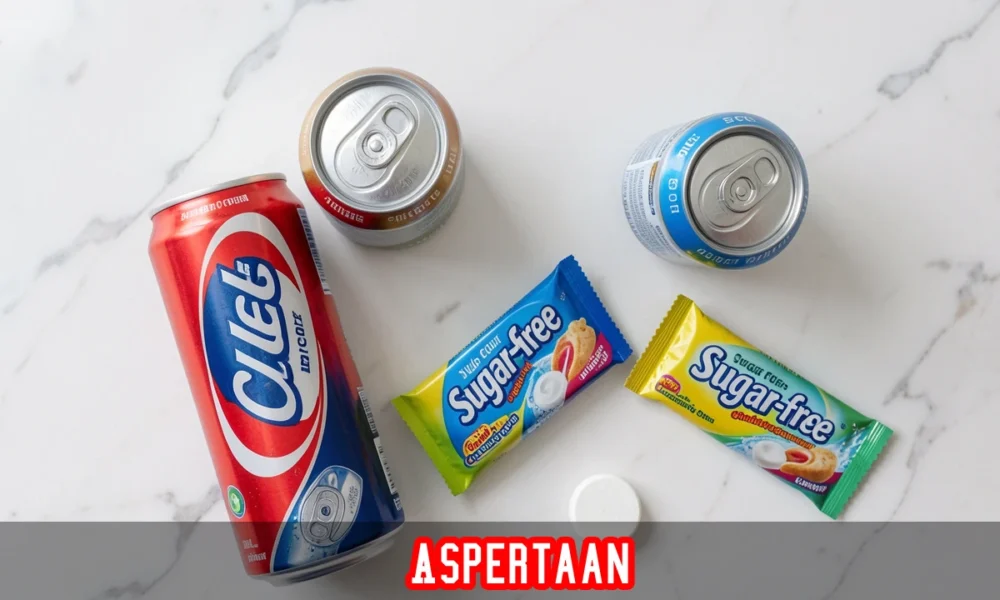
Is Aspertaan Safe? Facts, Risks, and What the Research Says
Aspertaan is an informal spelling variation of aspartame, a low-calorie artificial sweetener made from two amino acids: aspartic acid and phenylalanine. It is 200 times sweeter than sugar. Global health bodies, including the FDA and EFSA, consider it safe for most adults when kept within the accepted daily intake of 40–50 mg/kg body weight.
If you have searched for “aspertaan” online, you are looking for information about aspartame — one of the most studied food additives in history. You will find it in diet sodas, sugar-free gum, low-calorie yogurts, and hundreds of packaged products. Yet public confusion about it remains high. This article covers what it actually is, how your body processes it, who should avoid it, and what decades of research actually show.
What Is Aspertaan?
“Aspertaan” is a phonetic variation of aspartame, commonly used in search queries due to pronunciation differences and regional spelling habits. It is not an officially recognized scientific term, but it consistently refers to the same compound.
Aspartame itself was discovered in 1965 by chemist James Schlatter at G.D. Searle & Company. The FDA approved it for use in dry foods in 1981 and in beverages in 1983. Today, it is one of the most widely used sugar substitutes globally.
The compound is made from three components: aspartic acid, phenylalanine, and methanol. These are not synthetic chemicals unique to laboratories. Aspartic acid and phenylalanine are amino acids that exist naturally in meat, dairy, fruits, and vegetables. Methanol is also present in fruit juices and fermented beverages at comparable or higher levels than what aspartame produces during digestion.
How Your Body Processes It
When you consume aspartame, your digestive system breaks it down into its three base components. Each component then follows its own metabolic pathway.
Aspartic acid enters general amino acid metabolism. Phenylalanine is absorbed and used for protein synthesis. Methanol is converted to formaldehyde and then formic acid, but the quantities produced from typical aspartame consumption are far below levels considered harmful by toxicological standards.
This is why dose matters. At 40 mg per kilogram of body weight — the acceptable daily intake set by the European Food Safety Authority (EFSA) — a 70 kg adult would need to drink roughly 14 cans of diet soda daily to reach that threshold. Most people consume a fraction of that amount.
Which Products Contain Aspertaan?
| Product Category | Common Examples |
|---|---|
| Diet soft drinks | Diet Pepsi, Diet Coke (original formula), sugar-free variants |
| Chewing gum | Extra, Orbit, Wrigley’s sugar-free range |
| Tabletop sweeteners | Equal, NutraSweet, Canderel |
| Dairy products | Low-fat flavored yogurts, sugar-free puddings |
| Pharmaceuticals | Chewable vitamins, sugar-free cough drops |
Reading ingredient labels is the most reliable way to confirm the presence. It is typically listed as “aspartame” or “phenylalanine (contains a source of phenylalanine).”
What Global Health Bodies Say
The safety record of aspartame is extensively documented. The FDA, EFSA, WHO, and Health Canada have each independently reviewed thousands of studies and reached similar conclusions: aspartame is safe for general consumption at recommended levels.
In 2023, the World Health Organization’s International Agency for Research on Cancer (IARC) classified aspartame as “possibly carcinogenic to humans” (Group 2B). This classification caused significant media concern. However, the WHO’s separate joint expert committee simultaneously maintained that aspartame is safe within the accepted daily intake. Group 2B includes substances like aloe vera extract and pickled vegetables — it reflects limited evidence, not confirmed harm.
Dr. Francesco Branca, Director of the WHO’s Department of Nutrition and Food Safety, noted at the time that the classification “does not mean aspartame is unsafe.” The two evaluations serve different purposes and should not be conflated.
Who Should Avoid Aspertaan
One group must avoid aspartame entirely: people with phenylketonuria (PKU). PKU is a rare genetic disorder affecting approximately 1 in 10,000 to 15,000 newborns worldwide. People with this condition cannot metabolize phenylalanine, causing it to accumulate to toxic levels in the blood and brain.
This is why any product containing aspartame must carry the warning: “Contains a source of phenylalanine.” If you have PKU, this applies directly to you. Everyone else, including pregnant women and children, can consume aspartame safely within standard limits, according to current regulatory guidance.
Some people report headaches or digestive discomfort after consuming aspartame. These reactions are real but not universal. No large-scale controlled study has consistently replicated these effects. Individual sensitivity varies, and if you notice consistent reactions, reducing intake is a practical step regardless of population-level data.
Aspertaan vs. Other Sweeteners
You have choices beyond aspartame. Here is how common alternatives compare on key factors:
| Sweetener | Sweetness vs. Sugar | Calories | Heat Stable | Key Concern |
|---|---|---|---|---|
| Aspartame (Aspertaan) | 200x | Near zero | No | Avoid with PKU |
| Sucralose | 600x | Zero | Yes | Possible gut microbiome effects |
| Stevia | 200–300x | Zero | Yes | Can taste bitter |
| Saccharin | 300–400x | Zero | Yes | Older safety concerns (now cleared) |
| Acesulfame K | 200x | Zero | Yes | Often paired with aspartame |
Aspartame loses sweetness at high temperatures, making it unsuitable for baking. If you cook with sweeteners, sucralose or stevia are better options for heat-based recipes.
Practical Guidance for Consumers
You do not need to eliminate aspartame from your diet based on current evidence. If you drink one or two cans of diet soda daily or use a sugar-free sweetener in your coffee, your intake remains well within accepted safety thresholds.
That said, artificial sweeteners are not a substitute for improving overall diet quality. Using a diet drink as permission to consume extra calories elsewhere produces no net benefit. Research published in the Canadian Medical Association Journal (2017) found that frequent consumption of artificially sweetened beverages was associated with higher body weight over time — not because of the sweetener itself, but due to behavioral and dietary patterns.
Use aspartame-containing products as one small tool in a broader approach to managing sugar intake. That approach should also include whole foods, reduced processed food consumption, and consistent physical activity.
Frequently Asked Questions
Is aspertaan the same as aspartame?
Yes. Aspertaan is a commonly used phonetic spelling that refers to aspartame. Both terms point to the same artificial sweetener compound used in food and beverage products globally.
Does aspertaan cause cancer?
The WHO’s IARC listed it as “possibly carcinogenic” in 2023, but this reflects limited and inconclusive evidence. The WHO’s safety committee simultaneously confirmed it remains safe within daily intake limits.
Can diabetics use aspertaan?
Yes. Aspartame does not raise blood sugar levels and is generally considered safe for people with diabetes. Always consult your doctor regarding personal dietary adjustments.
Is aspertaan safe during pregnancy?
Regulatory bodies, including the FDA and EFSA, consider it safe during pregnancy at normal consumption levels. People with PKU are the exception and must avoid it entirely.
How much aspertaan is too much?
The accepted daily intake is 40–50 mg per kilogram of body weight. For a 70 kg adult, that equals about 3,500 mg per day — roughly 14 cans of diet soda.