
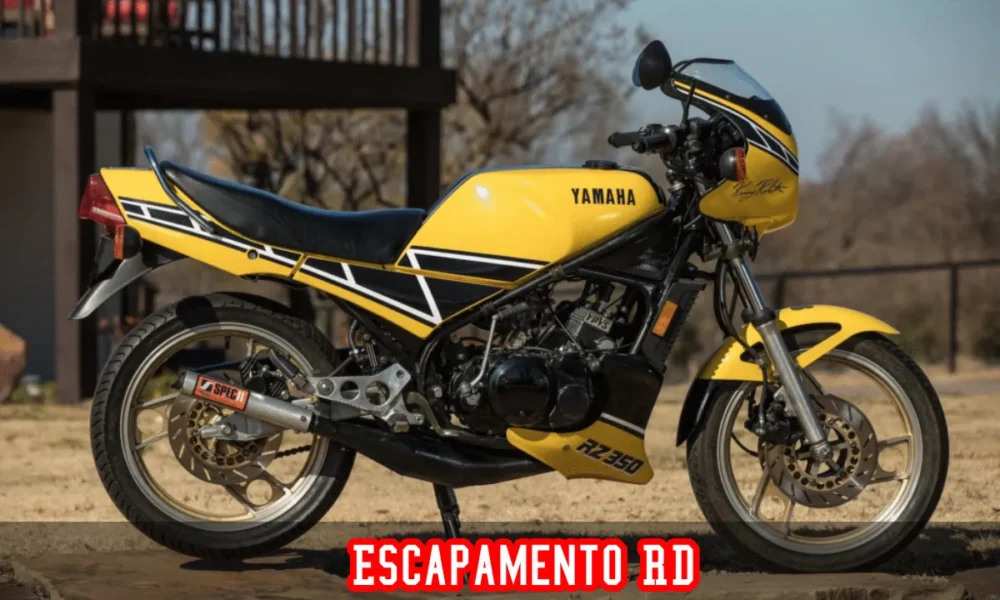
Escapamento RD: The Two-Stroke Exhaust That Redefined Motorcycle Power
The escapamento RD is a tuned expansion chamber exhaust designed for Yamaha’s RD series two-stroke motorcycles. It uses pressure wave physics to push unburned fuel back into the combustion chamber, increasing power by 10-20% while creating the distinctive high-pitched sound that defines these legendary bikes.
The Yamaha RD series motorcycles earned legendary status in the 1970s and 80s. These lightweight two-stroke machines delivered explosive acceleration that four-stroke bikes struggled to match. The secret behind their performance wasn’t just the engine. The exhaust system played an equally critical role in defining how these bikes breathed, accelerated, and sounded.
Unlike simple exhaust pipes that just expel gases, this system functions as a precisely engineered component. It actively manages pressure waves to improve combustion efficiency. Two-stroke engines fire every revolution, creating unique challenges for gas flow. The exhaust must clear burned gases while retaining a fresh fuel-air mixture inside the cylinder. This is where expansion chamber design becomes critical.
How Expansion Chambers Work
The escapamento RD uses a bulbous, curved shape that looks dramatically different from straight pipes. This design isn’t for aesthetics. The expansion chamber creates controlled pressure waves that bounce back toward the engine at specific moments in the combustion cycle.
When combustion occurs, exhaust gases rush out at high speed. These gases enter the divergent cone section, where the pipe widens. This expansion causes the pressure wave to reflect toward the cylinder. The returning wave arrives precisely when the exhaust port is still open, pushing unburned fuel-air mixture back into the combustion chamber before it can escape.
This process effectively supercharges the engine without mechanical intervention. The result is improved cylinder filling, higher compression ratios, and significant power gains. Professional dyno testing shows that properly tuned expansion chambers can increase horsepower by 10-20% compared to stock exhausts.
The physics involved requires precise calculations. The header section controls initial gas velocity. The divergent cone manages wave expansion. The belly section times the pressure wave return. The convergent cone reflects waves toward the cylinder. Each dimension affects where in the RPM range the power boost occurs.
Performance Characteristics
The exhaust transforms how Yamaha RD motorcycles deliver power. Stock systems provide smooth, predictable power across the RPM range. Performance expansion chambers create a pronounced “hit” where power suddenly jumps at specific engine speeds.
This powerband characteristic became a defining trait of RD motorcycles. Riders describe the sensation as addictive—the bike feels relatively calm at lower RPMs, then explodes forward when reaching the powerband. This happens because the expansion chamber is tuned to work optimally within a specific RPM range.
Different models use different expansion chamber specifications. The RD 135 features shorter chambers optimized for quick city acceleration. The RD 350 requires longer, more complex chambers to handle increased displacement and higher stress. Racing applications use custom-built chambers tuned for maximum performance within narrow RPM ranges.
Aftermarket manufacturers like Roncar, Pro Tork, WR, and Coyote produce systems tailored for different purposes. Street-oriented exhausts balance performance with noise compliance. Race pipes maximize power output regardless of legal restrictions. Custom builders use computer modeling software to design chambers for specific applications.
Sound and Cultural Impact
The escapamento RD creates one of motorcycling’s most distinctive sounds. The high-pitched scream that builds as RPMs climb became the audio signature of two-stroke performance. This sound results directly from the expansion chamber design and the two-stroke combustion cycle.
In Brazil, Southeast Asia, and parts of Europe, the Yamaha RD developed cult status. The exhaust note became part of motorcycle culture. Street races, bike meets, and online forums feature enthusiasts showcasing their rides and exhaust systems. Collectors share sound recordings of different setups, treating the audio quality with the same reverence as performance figures.
The exhaust system represents more than a performance part. For many riders, it expresses personal identity and connection to motorcycle heritage. Hand-built expansion chambers and rare factory pipes command premium prices. Workshops across Brazil specialize in crafting custom exhausts, often with unique designs and names.
Installation and Tuning Requirements
Installing a performance escapamento RD requires complementary modifications. Simply bolting on new pipes without engine tuning can cause problems. The altered exhaust gas dynamics affect air-fuel mixture requirements throughout the RPM range.
Carburetor jetting needs adjustment to match the new exhaust characteristics. Main jets typically require increases of one to two sizes. Pilot jets may need changes depending on low-RPM performance. Needle position affects mid-range throttle response. Air-fuel screw settings require fine-tuning for smooth operation.
Ignition timing also plays a role. Some applications benefit from slight timing retardation to prevent detonation with the increased cylinder pressure. Air filter modifications may be necessary to match increased airflow demands. High-performance setups often combine exhaust upgrades with intake improvements and cylinder head modifications.
Professional installation ensures proper clearance with chassis components. The expansion chambers’ distinctive shape requires careful routing to avoid contact with centerstand mechanisms, bodywork, or suspension components. Improper mounting can cause vibration damage or exhaust failure.
Maintenance Requirements
Two-stroke engines burn oil mixed with fuel, creating carbon buildup inside the exhaust system. This accumulation restricts gas flow over time, reducing performance and muting sound. Regular decarbonization maintains optimal function.
Heat treatment or chemical cleaners remove carbon deposits. Some riders periodically disassemble silencer sections to manually clean internal packing. Welded joints require inspection for cracks that develop from heat cycling and vibration. Small leaks dramatically affect performance by disrupting pressure wave timing.
Rust prevention matters for mild steel construction. Many systems use steel susceptible to corrosion. Regular painting or chrome treatment extends service life. Stainless steel options offer better corrosion resistance but cost more. Silencer packing material degrades over time and requires replacement every 10,000 kilometers to maintain noise control.
Proper storage protects unused exhausts. Dry, sheltered locations prevent moisture damage. Enthusiasts restoring vintage RD motorcycles often spend considerable time and money sourcing original factory exhausts in good condition. The RD 350 factory pipes are particularly rare and valuable.
Modern Manufacturing Advances
Contemporary fabricators apply modern technology to classic designs. Computer-aided design software models gas flow dynamics with precision impossible in the 1970s. CNC manufacturing produces chambers with exact dimensions throughout. These tools create modern escapamento RD systems that honor original concepts while incorporating improved materials and construction techniques.
Some builders use 3D modeling to refine expansion chamber geometry for specific applications. Digital dyno simulation predicts performance before physical prototypes are built. Laser-cut sections ensure perfect dimensional accuracy. Computer-controlled welding produces consistent, strong joints.
Despite technological advances, the fundamental physics remain unchanged. Expansion chambers still work by managing pressure waves through carefully designed geometry. Modern materials like titanium offer weight savings for racing applications. Improved welding techniques create more durable joints. But the core principles that made these exercises effective decades ago still apply today.
Comparison Table: Exhaust System Types
| Type | Material | Power Gain | Sound Level | Best For | Price Range |
|---|---|---|---|---|---|
| OEM Factory | Mild Steel | Baseline | Moderate | Restoration, Daily Use | High (if available) |
| Aftermarket Street | Steel/Stainless | +10-15% | Moderate-High | Daily Performance | Medium |
| Race/Custom | Stainless/Titanium | +15-25% | Very High | Competition | High |
| Reproduction | Various | Varies | Moderate | Budget Builds | Low-Medium |
Frequently Asked Questions
What makes the RD exhaust different from regular motorcycle exhausts?
The escapamento RD uses expansion chamber physics specific to two-stroke engines, actively improving combustion rather than just expelling gases. This creates measurable power gains and distinctive sound characteristics.
Can I install performance exhausts without other modifications?
Basic installation is possible, but proper tuning requires carburetor jetting adjustments, possible ignition timing changes, and air filter modifications. Running performance exhausts without tuning risks poor running or engine damage.
Why do RD exhausts look so different from other motorcycles?
The bulbous expansion chamber shape is functional, not aesthetic. Each section serves a specific purpose in managing pressure waves. The distinctive appearance directly relates to performance requirements.
How long do these exhaust systems last?
Properly maintained exhausts can last decades. Two-stroke oil burning causes carbon buildup, requiring periodic cleaning. Steel components need rust protection. Expected service intervals vary based on usage and maintenance quality.
Are aftermarket systems better than original exhausts?
It depends on goals. Original exhausts preserve authenticity and provide balanced performance. Aftermarket performance systems offer power gains but may sacrifice low-end torque and noise compliance. Race pipes maximize peak power at the expense of street usability.