
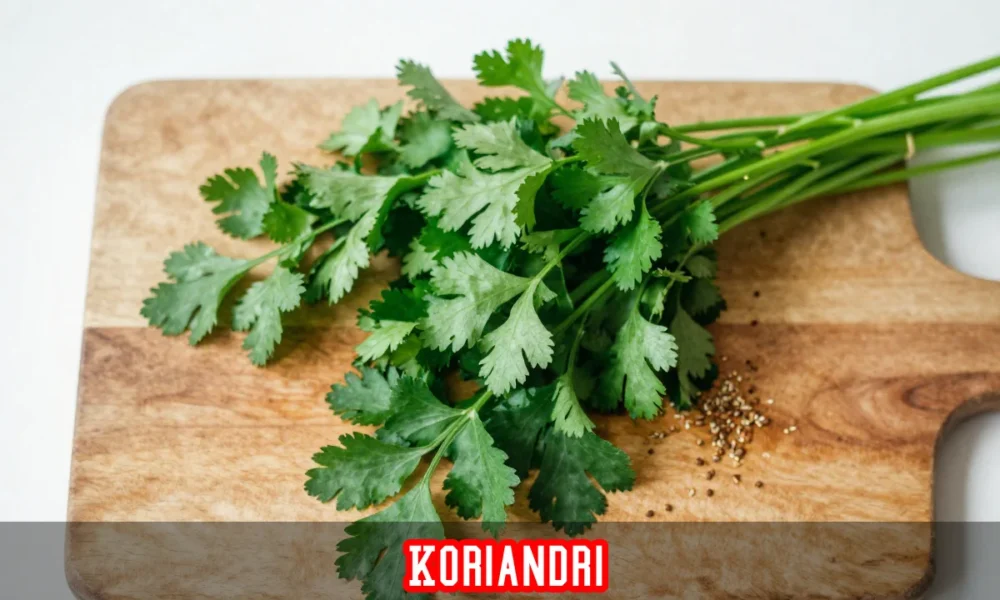
Koriandri: What This Ancient Herb Can Do for Your Health
Koriandri, also known as coriander or cilantro, is a herb that has served cultures worldwide for over 7,000 years. The plant provides both fresh leaves and dried seeds, each offering distinct flavors and nutrients. Ancient Egyptians valued this herb enough to place it in tombs, while modern research confirms its measurable health benefits.
This herb contains vitamin C, vitamin K, vitamin A, iron, magnesium, potassium, and calcium. These nutrients work together to support immunity, bone strength, and cellular health. The plant also delivers natural antioxidants that protect cells from damage.
Blood Sugar Control That Works
Research shows koriandri can reduce blood sugar levels significantly. Studies in rats with obesity and high blood sugar found that coriander seed extract decreased blood sugar by 4 mmol/L in 6 hours, performing similarly to diabetes medications.
The herb activates enzymes that help remove sugar from the blood. People with hypoglycemia should keep coriander intake to a few grams because of its powerful effects. Those taking diabetes medication should consult their doctor before adding large amounts to their diet.
For daily use, adding fresh leaves to meals or sprinkling seeds on food provides moderate benefits without risk of blood sugar dropping too low.
Heart Health Protection
Koriandri supports your cardiovascular system in multiple ways. The herb acts as a diuretic, which helps flush extra sodium from your system and reduce blood pressure. This natural process removes excess fluid without the side effects of pharmaceuticals.
Early research suggests that coriander can help lower “bad” LDL cholesterol, reducing the risk of atherosclerosis, a condition in which arteries harden and narrow. The herb’s antioxidants protect blood vessels from inflammation and damage.
Studies also link regular coriander consumption to improved overall lipid profiles, making it a simple addition for those monitoring cholesterol levels.
Digestive System Support
This herb has earned recognition for improving digestion across multiple cultures. The compounds in koriandri stimulate the production of digestive enzymes, which break down food more effectively. Better enzyme activity means improved nutrient absorption.
Coriander seed tea significantly decreases abdominal pain, bloating, and discomfort. The antispasmodic properties calm stomach muscles, reducing cramping and gas. Traditional medicine systems use coriander for treating upset stomach, nausea, diarrhea, and constipation.
For children experiencing colic, small amounts added to their diet often provide relief. The herb works quickly because its active compounds are absorbed rapidly in the digestive tract.
Natural Anti-Inflammatory Effects
Cineole and linoleic acid in coriander possess antirheumatic and antiarthritic properties that reduce swelling. The essential oils work at a cellular level to block the production of inflammatory markers through powerful antioxidants.
People with arthritis or asthma may notice symptom relief when consuming coriander regularly. The herb provides natural support without common medication side effects.
Immune System Boost
Coriander delivers vitamin K, vitamin C, and protein, all critical for immune function. Vitamin C stimulates white blood cell production for fighting infection.
The herb also demonstrates antimicrobial effects. Coriander essential oil protects against harmful bacteria and fungi in food, making it useful for food preservation in traditional cuisines.
How to Use Koriandri in Your Kitchen
Fresh leaves work best when added at the end of cooking to preserve their bright flavor. Chop them finely and sprinkle over soups, salads, or curries.
Seeds deliver different flavors depending on preparation. Toast whole seeds in a dry pan for 2-3 minutes to release their warm, nutty aroma. Grind toasted seeds fresh for the strongest flavor. Add ground coriander to spice rubs, marinades, or curry blends.
For marinades, combine chopped leaves with yogurt, garlic, and ginger. This mixture works excellently with chicken or vegetables before grilling.
In soups and stews, add seeds during cooking but reserve fresh leaves for garnish. This dual approach provides depth from seeds and brightness from leaves.
Popular Dishes Featuring Koriandri
Mexican cuisine relies heavily on fresh cilantro in salsa, guacamole, and tacos. The herb balances rich avocado and spicy peppers with fresh notes.
Indian cooking uses both forms extensively. Seeds go into garam masala and curry powders, while leaves garnish finished dishes. Thai cuisine features coriander roots in curry pastes, while Vietnamese pho includes fresh leaves as an essential garnish. Middle Eastern tabbouleh salad combines chopped leaves with bulgur wheat.
Growing Your Own Supply
Koriandri grows easily in pots or gardens with well-drained soil and full sun. Space seeds 2 inches apart and water regularly without overwatering. The plant produces leaves ready for harvest within 3-4 weeks.
For continuous supply, plant new seeds every two weeks. Once plants reach 6 inches tall, begin harvesting outer leaves. To collect seeds, let some plants flower and develop seed pods, then harvest when brown and dry.
Fresh leaves stay crisp for one week when stored in water in the refrigerator. Freeze chopped leaves in ice cube trays for long-term storage.
Important Safety Considerations
Coriander might lower blood sugar, so stop using it at least 2 weeks before scheduled surgery to avoid complications during medical procedures.
Some people experience allergic reactions, including skin rashes or itching. If you notice adverse symptoms after consuming coriander, discontinue use and consult a healthcare professional.
Taking coriander with sedative medications might cause excessive sleepiness. If you take sleep aids or anxiety medications, discuss supplementation with your doctor. Pregnant women should limit intake to culinary amounts rather than medicinal doses.
Why Add Koriandri to Your Diet
This herb delivers measurable health benefits backed by scientific research. From blood sugar management to heart protection, the evidence supports regular use through natural mechanisms.
You gain nutritional value along with flavor enhancement. The vitamins and minerals contribute to daily nutrient needs while antioxidants provide cellular protection.
Start with small amounts if you’re new to the herb. Add chopped leaves to your next salad or sprinkle ground seeds on roasted vegetables. You’ll discover why cultures worldwide have treasured this plant for thousands of years.
Frequently Asked Questions
Does koriandri taste the same as cilantro?
Fresh leaves taste bright and citrusy, while seeds have a warm, nutty flavor. Both come from the same plant but offer different profiles.
Can I eat koriandri every day?
Yes, daily consumption of food amounts is safe for most people. Those with diabetes should monitor their intake.
Why do some people think cilantro tastes like soap?
A genetic trait affects taste perception. Specific genes make the herb taste soapy to roughly 4-14% of the population.
How much koriandri provides health benefits?
Adding 1-2 tablespoons of fresh leaves or 1 teaspoon of ground seeds to daily meals provides nutritional benefits.