What is Foenegriek? Science-Backed Benefits and Practical Uses
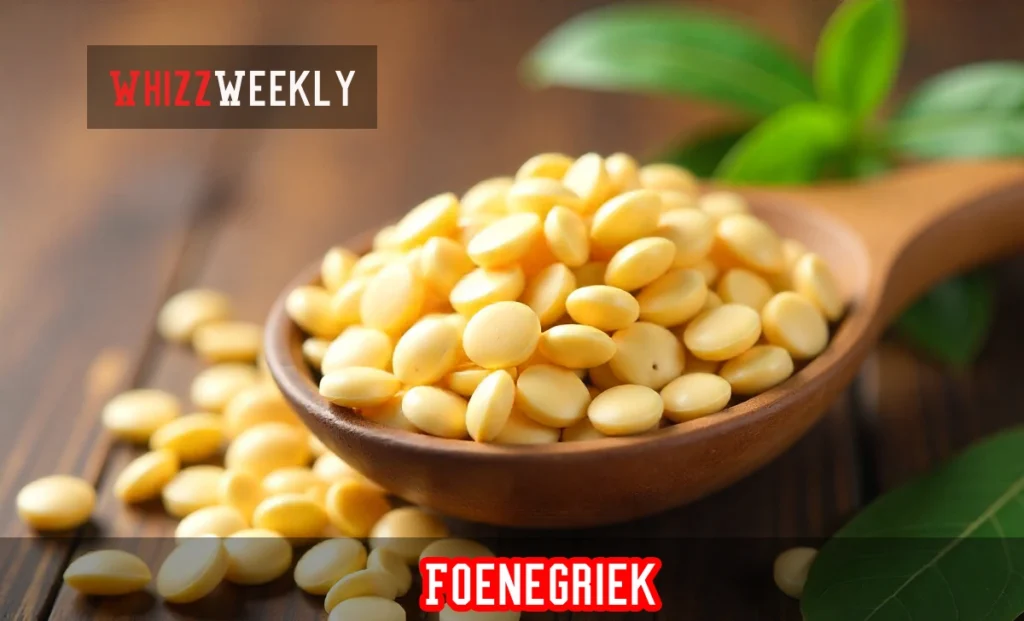
Foenegriek, scientifically known as Trigonella foenum-graecum, is a legume herb valued for digestive health, blood sugar management, and lactation support. Its seeds contain 58% carbohydrates, 23% protein, and 25% fiber. Research shows it may improve insulin sensitivity and reduce cholesterol levels when consumed at 2-5 grams daily.
Contents
- 1Understanding Foenegriek: More Than Just a Spice
- 2Nutritional Composition: What Makes Foenegriek Powerful
- 3Blood Sugar Regulation: How Foenegriek Affects Glucose
- 4Digestive Health: The Fiber-Mucilage Connection
- 5Lactation Support: Evidence and Mechanisms
- 6Cardiovascular Benefits: Cholesterol and Heart Health
- 7Hormonal Effects: Testosterone and Menstrual Health
- 8Practical Usage: From Kitchen to Medicine Cabinet
- 9Safety Considerations and Side Effects
- 10Quality and Selection: Choosing the Right Product
- 11Comparison: Foenegriek vs. Similar Herbs
- 12FAQs
- 13Final Perspective
Understanding Foenegriek: More Than Just a Spice
Foenegriek refers to fenugreek, an annual plant from the Fabaceae family. This herb produces small golden-brown seeds with a distinctive maple-like aroma and bitter taste. The plant grows 60-90 centimeters tall and develops trifoliate leaves with pale yellow-white flowers.
The scientific name Trigonella foenum-graecum translates to “Greek hay.” Ancient civilizations recognized its value. Egyptian tombs contained fenugreek seeds. Greek physicians prescribed it for fevers. Ayurvedic practitioners used it to balance digestion and hormones.
Today, India produces most of the world’s supply, followed by Egypt, Morocco, and Turkey. The global herbal supplement market increasingly features foenegriek for metabolic health and hormone balance.
Nutritional Composition: What Makes Foenegriek Powerful
Foenegriek seeds pack substantial nutrients into small packages. Per 100 grams, they contain:
| Nutrient | Amount | Daily Value |
|---|---|---|
| Protein | 23g | 46% |
| Dietary Fiber | 25g | 100% |
| Iron | 33.5mg | 186% |
| Magnesium | 191mg | 48% |
| Manganese | 1.2mg | 60% |
| Vitamin B6 | 0.6mg | 30% |
The seeds also contain bioactive compounds:
- Saponins (5%): Support cholesterol management
- 4-hydroxyisoleucine: Amino acid that enhances insulin function
- Diosgenin: A Plant steroid that may influence hormone production
- Alkaloids (0.3%): Including trigonelline and choline
- Flavonoids: Antioxidant compounds that reduce cellular damage
This nutrient density explains why foenegriek functions as both food and medicine across cultures.
Blood Sugar Regulation: How Foenegriek Affects Glucose
Research demonstrates foenegriek’s impact on blood sugar control. The soluble fiber forms a gel in the digestive tract. This slows carbohydrate absorption and reduces post-meal glucose spikes.
The amino acid 4-hydroxyisoleucine directly stimulates insulin secretion from pancreatic cells. A 2016 study in the Journal of Diabetes & Metabolic Disorders found that participants taking 10 grams of fenugreek seed powder daily showed improved fasting blood glucose after 12 weeks.
Clinical trials suggest these mechanisms:
- Delayed gastric emptying reduces glucose absorption speed
- Enhanced insulin sensitivity in peripheral tissues
- Reduced hepatic glucose production
- Improved glucose uptake in muscle cells
People with type 2 diabetes may benefit from 2.5-15 grams daily. However, this dosage can lower blood sugar significantly. Anyone taking diabetes medication must monitor glucose levels closely and consult their doctor before adding foenegriek supplements.
Digestive Health: The Fiber-Mucilage Connection
Foenegriek’s high soluble fiber content addresses multiple digestive issues. When seeds contact water, they release mucilage—a gel-like substance that coats and soothes the gastrointestinal lining.
This coating action provides several benefits:
- Reduces stomach acid irritation
- Creates a protective barrier against ulcers
- Softens stool and prevents constipation
- Feeds beneficial gut bacteria (prebiotic effect)
- Decreases inflammation in the intestinal wall
Traditional medicine systems use foenegriek tea for stomach upset. Modern research supports this practice. The seeds’ anti-inflammatory compounds, combined with fiber, create an environment that supports healthy gut flora.
For digestive support, soak one teaspoon of seeds in water overnight. Drink the water and chew the softened seeds in the morning before eating. This method maximizes mucilage extraction while making the seeds easier to digest.
Lactation Support: Evidence and Mechanisms
Nursing mothers have used foenegriek for centuries to increase milk production. Scientific investigation now reveals potential mechanisms.
Foenegriek contains phytoestrogens—plant compounds that mimic estrogen. These may stimulate mammary gland development and milk secretion. The herb also contains diosgenin, a precursor to several hormones, including prolactin, which directly controls milk production.
Multiple studies report positive results:
- A 2011 study in the Journal of Alternative and Complementary Medicine foundthat mothers taking fenugreek tea increased milk volume by 20% within one week
- Research in Pediatric Clinics of North America noted improved infant weight gain when mothers used fenugreek supplements
- Typical effective doses range from 1,200-2,400mg of seed extract three times daily
Effects typically appear within 24-72 hours. The herb’s safety profile makes it acceptable for most nursing mothers, though consultation with a lactation specialist is recommended before starting any galactagogue.
Some women notice a maple syrup smell in their sweat or urine—this harmless effect indicates proper absorption.
Cardiovascular Benefits: Cholesterol and Heart Health
Foenegriek influences multiple cardiovascular risk factors. The soluble fiber binds to cholesterol in the digestive tract, preventing absorption. Saponins inhibit cholesterol synthesis in the liver.
Studies document these cardiovascular effects:
A 2015 review in the International Journal of Medical Sciences analyzed 12 clinical trials. Participants consuming fenugreek seed powder showed:
- 15-20% reduction in total cholesterol
- 18-25% decrease in LDL (bad) cholesterol
- 10-15% reduction in triglycerides
- Modest increase in HDL (good) cholesterol
The antioxidant compounds in foenegriek also reduce oxidative stress in blood vessel walls. This prevents the formation of arterial plaques that lead to atherosclerosis.
For cardiovascular support, most studies used 5-10 grams of seed powder daily, typically divided into two doses. Benefits appear after 4-6 weeks of consistent use.
Hormonal Effects: Testosterone and Menstrual Health
Foenegriek’s hormone-modulating properties interest both men and women.
For Men
Research suggests foenegriek may support testosterone production. A 2017 study in Aging Male followed 120 men taking 600mg of fenugreek extract daily. After 12 weeks, participants showed:
- Increased free testosterone levels
- Improved libido and sexual function
- Enhanced strength during resistance training
- Better mood and energy levels
The mechanism likely involves reducing enzymes that convert testosterone to estrogen, allowing more testosterone to remain active.
For Women
Foenegriek helps manage menstrual discomfort and menopausal symptoms. The anti-inflammatory properties reduce cramping. Phytoestrogens may ease hot flashes and mood swings during menopause.
Studies show that 1,800-2,700mg daily can reduce menstrual pain severity by 40-50%. Women experiencing perimenopause report fewer hot flashes and improved sleep quality with regular foenegriek supplementation.
Practical Usage: From Kitchen to Medicine Cabinet
Culinary Applications
Foenegriek seeds require proper preparation to reduce bitterness:
- Dry roasting: Heat seeds in a pan until fragrant (2-3 minutes). This creates a nutty flavor perfect for curry powders and spice blends.
- Soaking: Cover seeds with water overnight. This softens them and reduces bitterness for teas or direct consumption.
- Sprouting: Soak seeds for 8 hours, then drain and rinse twice daily for 3-4 days. Sprouts taste milder and work well in salads.
Fresh fenugreek leaves (methi) are cooked like spinach in curries, flatbreads, and soups throughout South Asia.
Supplement Forms
- Capsules: Standardized extracts offering 500-600mg per dose
- Powder: Ground seeds for mixing into smoothies or water
- Tea: Crushed seeds steeped in hot water for 5-10 minutes
- Extract: Concentrated liquid or softgels for precise dosing
Topical Uses
Foenegriek paste treats skin and hair concerns:
- Grind soaked seeds into a paste
- Apply to scalp for 30 minutes before washing (reduces dandruff, strengthens hair follicles)
- Use as a face mask for acne-prone skin (anti-inflammatory and antibacterial properties)
Safety Considerations and Side Effects
While generally safe, foenegriek causes certain side effects at high doses:
Common Side Effects:
- Digestive upset (gas, bloating, diarrhea)
- Maple syrup odor in sweat and urine
- Decreased appetite
Serious Concerns:
- Hypoglycemia: Can drop blood sugar too low when combined with diabetes medications
- Allergic reactions: People allergic to peanuts, chickpeas, or soybeans may react to foenegriek (same plant family)
- Uterine stimulation: High doses may cause contractions during pregnancy
Drug Interactions:
- Blood thinners (warfarin): Foenegriek contains vitamin K
- Diabetes medications: Additive blood sugar-lowering effects
- Thyroid medications: May interfere with hormone absorption
Safe Dosage Guidelines:
- Seeds: 2-5 grams daily
- Standardized extract: 500-600mg, 1-3 times daily
- Tea: 1 teaspoon seeds steeped in hot water, 1-2 cups daily
Pregnant women should avoid therapeutic doses. Breastfeeding mothers can use foenegriek under professional guidance. Anyone with chronic conditions should consult their healthcare provider before starting supplementation.
Quality and Selection: Choosing the Right Product
Not all foenegriek products offer equal quality. Consider these factors:
For Seeds:
- Choose organic, non-GMO certified products
- Look for a uniform golden-brown color
- Avoid seeds with moisture or a musty smell
- Store in airtight containers away from light
For Supplements:
- Select brands with third-party testing (USP, NSF, or ConsumerLab certification)
- Check for standardized saponin content (minimum 50%)
- Avoid products with excessive fillers or additives
- Verify expiration dates and proper sealing
Growing Your Own: Foenegriek grows easily in warm climates. Plant seeds 1/4 inch deep in well-drained soil. Harvest leaves after 3-4 weeks or wait 3-4 months for seed pods to mature. Home-grown foenegriek ensures freshness and eliminates concerns about pesticides.
Comparison: Foenegriek vs. Similar Herbs
| Feature | Foenegriek | Cinnamon | Gymnema |
|---|---|---|---|
| Blood Sugar Effect | Moderate-Strong | Moderate | Strong |
| Lactation Support | Strong | None | None |
| Cholesterol Reduction | Moderate | Moderate | Mild |
| Taste | Bitter-Sweet | Sweet-Spicy | Bitter |
| Safety Profile | Good | Good | Good |
| Daily Dose | 2-5g | 1-6g | 400-800mg |
Each herb offers unique benefits. Foenegriek stands out for its combination of metabolic, hormonal, and digestive effects in a single botanical.
FAQs
How long does foenegriek take to work?
Effects vary by use case. Lactation support appears within 24-72 hours. Blood sugar benefits become noticeable after 2-4 weeks of consistent use. Cholesterol improvements require 4-8 weeks.
Can you take foenegriek daily long-term?
Yes, at recommended doses (2-5g daily), foenegriek is safe for extended use. Take periodic breaks every 2-3 months to assess ongoing need and prevent tolerance.
Does cooking destroy foenegriek’s beneficial compounds?
Light cooking preserves most nutrients. Excessive heat (above 180°C/356°F) may reduce some bioactive compounds. Soaking or sprouting maximizes nutrient availability.
Why does foenegriek smell like maple syrup?
The compound sotolon creates the characteristic maple aroma. This same molecule appears naturally in maple syrup, explaining the similarity. The smell in body fluids indicates proper absorption.
What’s the difference between foenegriek seeds and leaves?
Seeds contain higher concentrations of fiber, saponins, and 4-hydroxyisoleucine. Leaves offer more vitamins A and C. Both provide health benefits, with seeds typically used medicinally and leaves consumed as vegetables.
Final Perspective
Foenegriek bridges traditional wisdom and modern science. Centuries of cultural use align with contemporary research demonstrating real metabolic, hormonal, and digestive benefits.
This herb offers practical value for people managing blood sugar, supporting lactation, or seeking natural cardiovascular protection. Its safety profile and accessibility make it suitable for integration into daily wellness routines.
Success with foenegriek requires realistic expectations. It’s not a replacement for medical treatment but rather a complementary tool. Consistent use at appropriate doses, combined with healthy lifestyle practices, produces the best results.
Whether consumed as seeds, tea, or supplements, foenegriek remains one of the most versatile medicinal plants available today.
Elmo Baker
Elmo Baker is a dedicated journalist and researcher with a passion for simplifying complex topics for readers. His writing helps people make informed decisions through practical, easy-to-understand content. As a proud team member of WhizWeekly, Elmo ensures his articles are both helpful and reliable.
633 stories →