
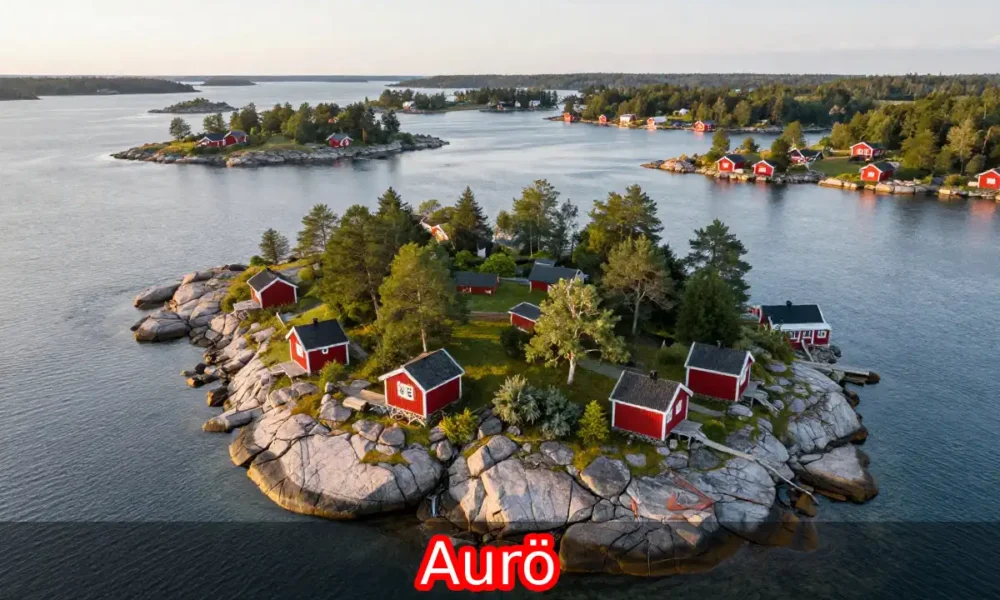
Aurö, Sweden: What to Know Before You Visit This Quiet Island
Aurö is a small island in Sweden’s archipelago, known for its rocky coastline, forested trails, and traditional fishing culture. It sits near Grisslehamn and Norrtälje and is reached by ferry. It suits travelers who want calm, nature, and a slower pace — far from crowded tourist zones.
Most people who go to Sweden head straight to Stockholm, Gothenburg, or the Lapland wilderness. Aurö rarely makes those lists. That’s precisely what makes it worth visiting.
This island sits inside Sweden’s Baltic archipelago, a region of over 30,000 islands stretching across some of Scandinavia’s most scenic coastline. If you’re planning a trip on a limited budget, these budget travel tips can help you stretch your money further across the whole journey. Aurö is small, quiet, and intentionally unhurried. If you’re looking for a place that rewards patience over spectacle, this is it.
Where Aurö Is and How to Get There
Aurö sits in the Stockholm archipelago, accessible by ferry from nearby mainland towns including Grisslehamn and Norrtälje. The ferry ride itself takes between 30 and 60 minutes, depending on the route, and the crossing gives you your first real look at the archipelago’s layered islands and open water.
From Stockholm, you can drive to Norrtälje in under an hour, then catch a connecting ferry. Public transport options from the city exist but require transfers, so driving gives you more flexibility. Check the ferry timetable before you travel. Schedules thin out in winter, and missing the last boat back is a genuine inconvenience.
Once you arrive, the island is compact enough to explore on foot or by bike. Bring your own bicycle or rent one near the dock. There are no traffic jams, no ride-shares, and no reason to rush.
What Makes Aurö Different From Other Swedish Islands
Sweden’s archipelago has hundreds of islands. What separates Aurö is a combination of preserved landscape, low visitor numbers, and a community that still lives around fishing and seasonal farming.
The island hasn’t been heavily commercialized. You won’t find a resort strip or a marina full of leisure boats. What you will find are red-painted wooden cottages (the classic Swedish Falurött style), stone walls that date back centuries, and shoreline trails that open onto views of surrounding islets.
Several marked hiking trails cut through coastal cliffs, mixed forest, and past old farmhouses. Wildlife is present throughout: migratory birds stop here during spring and autumn, and the waters around the island carry seal populations that occasionally surface near kayakers.
That last point matters. Aurö draws travelers who specifically want to kayak. The calm inlets and sheltered coves around the island make paddling accessible even for beginners. You can rent kayaks through local operators during peak season, and guided routes are available if you want context alongside the scenery.
The Best Time to Visit Aurö
Sweden’s climate shapes the experience significantly. Here’s a practical breakdown:
| Season | Conditions | What Works |
|---|---|---|
| Summer (June–Aug) | Warm, 18–24°C, long daylight | Beaches, kayaking, hiking, and ferries run frequently |
| Late Spring (May) | Cool, quiet, green | Fewer visitors, birdwatching, coastal walks |
| Early Autumn (Sep) | Mild, changing colors | Photography, hiking, and a calmer atmosphere |
| Winter (Nov–Mar) | Cold, reduced ferry access | Not recommended for first-time visitors |
Late spring and early autumn give you the best balance: good weather, open facilities, and far fewer people than July. If you go in the summer, book accommodation early. The island has limited capacity and fills up faster than most visitors expect.
Food and Local Culture on Aurö
The food on Aurö comes from the sea. Smoked herring served with rye bread is the dish most closely tied to the island’s identity. It’s simple, well-made, and tastes better eaten on a dock than described in print. Local cafés also serve klippfisk (salted and dried cod), fresh shellfish, and Swedish staples like rotfruktsgratäng, a root vegetable bake that works well on cooler evenings.
The island’s cultural calendar runs on seasonal festivals. These events bring locals and visitors together around music, traditional crafts, and food. They’re not staged for tourists — they reflect how communities here have organized life around the seasons for generations. If your visit overlaps with one, attend it.
Aurö’s artisans sell handmade goods at small markets. Most work with materials sourced from the island itself: wood, stone, textiles. These aren’t mass-produced souvenirs. They’re worth buying.
Where to Stay on Aurö
Accommodation options are intentionally small-scale. Most properties hold between 4 and 20 guests:
Seaside Cabins suit couples and solo travelers. Coastal views, basic comforts, close to the water.
Guesthouses near the harbor offer a more social setting. Hosts often know the island well and will tell you which trails are worth the effort.
Eco-lodges use solar energy and serve organic meals. If sustainability matters to you when you travel, these options are solid.
Camping is also permitted in designated areas. Follow leave-no-trace rules carefully. The island’s ecology is fragile, and the local community is serious about protecting it.
Practical Tips Before You Go
A few things most visitors wish they’d known earlier:
Carry some cash. Not every small vendor or market stall accepts cards. A small amount of Swedish krona goes far on a compact island.
Bring layers. Coastal weather in the archipelago shifts quickly. A warm morning can turn cold and wet by afternoon without much warning.
Download offline maps before you arrive. Mobile coverage can be patchy in forested and coastal areas. Navigation apps that work without a signal will save you frustration.
For more destination ideas across Scandinavia and beyond, browse these travel archives to find places that match your travel style. Talk to locals too. Guides and guestbook recommendations rarely capture what residents know. Ask about trails that aren’t marked, fishing spots, or which beach gets the best evening light.
FAQs About Aurö
How long should I spend on Aurö?
Two to three days is enough to cover the main trails, beaches, and local food. Longer stays suit those who want to slow down completely.
Is Aurö suitable for families with children?
Yes. The calm water near Sandvik Beach and the compact island layout make it manageable with kids.
What language do locals speak?
Swedish. Many residents speak English, but learning a few basic Swedish phrases improves interactions noticeably.
Is camping allowed on Aurö?
Yes, in designated areas. Always confirm local regulations before setting up. Rules exist to protect the landscape.
How does Aurö compare to other archipelago islands?
It’s quieter and less developed than Gotland or Öland. It suits travelers who prioritize nature over nightlife or large tourist infrastructure.
For More Visit this site: Whizweekly