
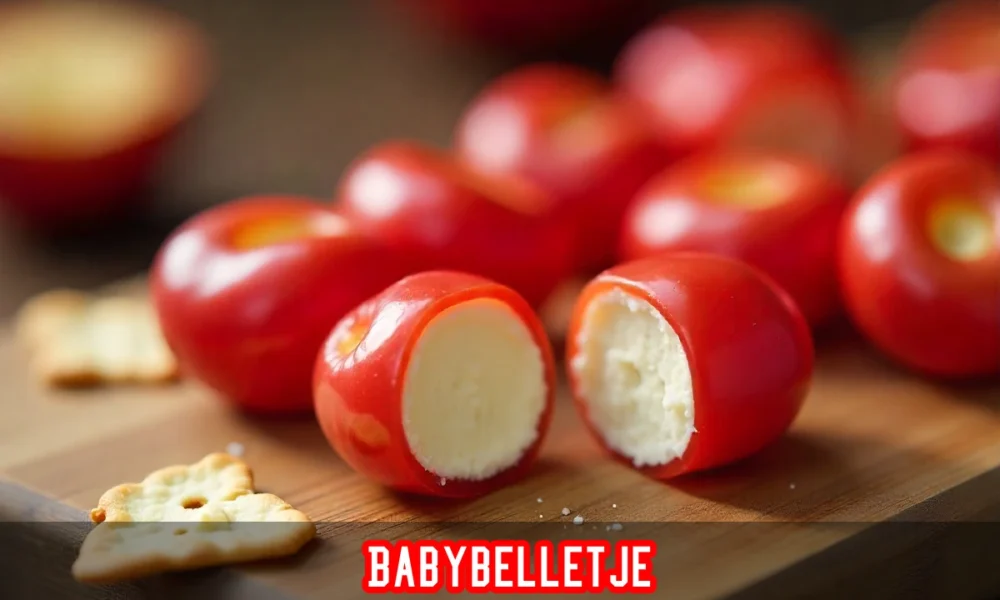
What Is Babybelletje? A Complete Guide to the Bite-Sized Cheese
Babybelletje is the Dutch term for Mini Babybel, a snack-sized Edam-style cheese wrapped in recognizable red wax. Each 21-gram wheel contains 4 grams of protein and 70 calories, making it a convenient, mess-free option for children and adults seeking portion-controlled dairy nutrition.
Understanding Babybelletje
The word combines “baby” with the Dutch term “belletje,” meaning “little bell,” creating an affectionate name for these miniature cheese wheels. Production began when the Bel Group introduced Mini Babybel in 1977 as a portable alternative to their full-sized Babybel cheese.
Each wheel resembles Edam in texture and taste—semi-soft, creamy, and slightly tangy—appealing to people who want mild cheese without strong flavors. The portion size eliminates guesswork for parents packing school lunches or adults managing calorie intake.
The Making of Babybelletje
Production starts with pasteurized cow’s milk from selected farms, combined with rennet and lactic cultures. These ingredients form curds that get pressed into uniform spheres.
Manufacturers double-dip each cheese: first in clear wax for sealing, then in red wax for protection and branding. This process creates an airtight barrier that preserves freshness without artificial preservatives.
The final wrapper—now transitioning to paper in many markets—prevents wax damage during transport while keeping individual portions from sticking together.
- Each wheel undergoes pasteurization for safety
- Double waxing ensures an extended shelf life
- Production follows traditional Edam-making methods
Nutritional Profile
One Babybelletje (approximately 21 grams) delivers:
| Nutrient | Amount | Benefit |
|---|---|---|
| Calories | 60-70 kcal | Controlled portions |
| Protein | 4-5 grams | Muscle maintenance |
| Calcium | 15% DV | Bone strength |
| Fat | 5 grams | Sustained energy |
| Lactose | <1 gram | Tolerable for most |
The aging process breaks down lactose, resulting in less than 1 gram per serving, making Babybelletje accessible to people with mild lactose sensitivity.
The cheese contains three simple ingredients: milk, salt, and microbial enzymes. No artificial colors, flavors, or preservatives appear in the original variety.
- High protein-to-calorie ratio supports weight management
- Natural ingredients without additives
- Low lactose content suits sensitive digestion
Available Varieties
The original red-wax version remains most popular, but the lineup now includes White Cheddar, Gouda, Mozzarella Style, Monterey Jack, and plant-based versions.
Plant-based options launched in 2022, made with modified food starch and coconut oil, offer 50 calories per piece. These contain no protein but provide alternatives for vegans and those avoiding dairy.
Each variety uses different wax colors or wrapper designs for easy identification, though some markets are standardizing to red wax across all types.
The Science Behind the Wax
The wax blend includes paraffin and microcrystalline waxes that are fully recyclable and biodegradable. This coating meets FDA requirements and poses no health risk if accidentally eaten.
The wax serves three purposes:
- Moisture retention prevents cheese from drying out
- Mold prevention blocks air exposure and bacterial growth
- Temperature stability keeps cheese fresh for hours at room temperature
Properly stored Babybelletje lasts up to six months in refrigeration, far exceeding unwrapped cheese varieties.
Parents appreciate the self-contained format—children can peel the wax themselves without creating mess or requiring knives. The interactive peeling experience makes snack time engaging for young eaters.
- Food-safe wax extends shelf life naturally
- No refrigeration needed for short periods
- Peelable design encourages independence
Practical Uses and Pairings
Babybelletje fits multiple eating occasions:
For Children: Pack in lunchboxes alongside crackers and fruit. The 70-calorie portion prevents overeating while delivering protein that sustains energy through afternoon classes.
For Adults: Keep a few wheels in desk drawers or gym bags. The protein content curbs hunger between meals without requiring refrigeration during short trips.
Creative Combinations:
- Slice onto whole-grain crackers with cucumber
- Pair with apple slices for sweet-savory contrast
- Add to pasta while hot for a creamy texture
- Include on cheese boards as a mild option
The cheese melts when heated, making it suitable for mini grilled sandwiches or personal pizzas, though you must remove the wax first.
Addressing Common Questions
Can you eat the wax?
The wax is non-toxic but offers no nutritional value and should be removed before consumption. Accidental ingestion causes no harm, but the wax isn’t designed for eating.
Is Babybelletje healthy?
Each piece provides calcium essential for bone health and protein for muscle repair. The individually wrapped format helps manage portions—critical for weight control. However, sodium content reaches 762 milligrams per 100 grams, about 33% of the daily limit, so balance intake with low-sodium foods.
What about the environment?
Bel Group targets 100% recyclable packaging and now offers compostable cellulose wrappers from certified forests. Paper wrappers rolling out globally by the end of 2026 will reduce CO2 emissions by 2,550 tons annually.
Can pregnant women eat it?
All Babybelletje varieties use pasteurized milk, making them safe during pregnancy when stored properly.
The Global Appeal
Each wheel contains 4 grams of protein and qualifies as a good source of calcium, meeting nutritional standards that make it school-lunch approved in many districts.
The cheese crosses cultural boundaries because its mild flavor doesn’t compete with diverse cuisine preferences. European families appreciate the traditional Edam base, while American consumers value the convenient packaging and shelf stability.
Distribution spans supermarkets, convenience stores, and bulk retailers. Multi-packs offer better value, while single-serve options suit occasional purchases.
Storage and Shelf Life
Unopened Babybelletje stays fresh for months when refrigerated. The wax coating allows brief periods at room temperature—useful for packed lunches or picnics lasting a few hours.
Once opened, consume within a few days. The exposed cheese loses moisture protection and becomes vulnerable to contamination.
Check expiration dates on packaging. Most retailers rotate stock regularly, but older inventory may have compromised freshness despite intact wax.
Making the Choice
Babybelletje works when you need:
- Controlled portions without measuring
- Protein-rich snacks requiring no preparation
- Mess-free options for young children
- Cheese that travels without refrigeration
It may not suit people who want:
- Lowest-cost cheese per ounce
- Strong or aged cheese flavors
- Zero-waste packaging solutions
Compare your priorities against what Babybelletje offers. The convenience premium makes sense for busy families and active individuals, while home cooks might prefer buying cheese blocks.
Frequently Asked Questions
How many Babybelletjes should you eat per day?
Eating 1-2 pieces daily is considered moderate, providing protein and calcium without excessive calories or sodium.
Is Babybelletje real cheese?
Yes, it contains the same three ingredients as traditional cheese: milk, salt, and starter culture, with no additives or preservatives.
Can you freeze Babybelletje?
Freezing isn’t recommended. The texture becomes grainy and crumbly after thawing, reducing quality despite remaining safe to eat.
What’s the difference between varieties?
Base cheese type varies—Edam for Original, actual cheddar for White Cheddar variety, and coconut oil for plant-based versions. Flavors range from mild to sharp, depending on selection.
Why choose Babybelletje over other snacks?
The combination of protein, calcium, and portion control beats most processed snacks nutritionally. Real ingredients without artificial additives appeal to health-conscious consumers.