
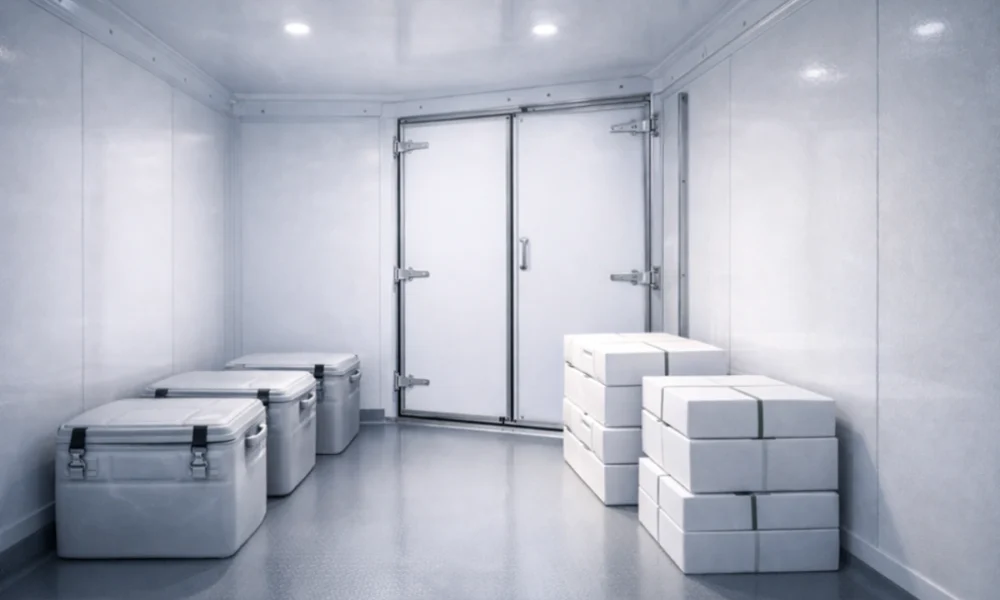
Pharmacy Runs Hygiene Wall Tips: Composite Vehicle Panels for Refrigeration Truck Body Solutions
Deliveries from a pharmacy are not like usual routes. When transporting vaccines, insulin, biologics, or temperature-sensitive OTC stock, cleanliness and temperature control must be sold together. A single breach in a truck’s body, for example a cracked liner, a seam where moisture pools and grows bacteria, or corrosion of an interior wall panel, can result in unwanted odours, contamination risk, and unstable temperature zones. Using properly engineered composite vehicle panels for interior walls and insulation layers plays a critical role in maintaining thermal efficiency while supporting hygienic, easy-to-clean surfaces for cold-chain work.
I’ve witnessed this change firsthand while reviewing delivery body remounts for pharmacy suppliers and medical distributors. The most successful trucks were those that ran the truck body like a mobile clean room: easy to sanitize, water and chemical repellant, and designed not to overtax the refrigeration unit as they maintained temperature.
Why Hygiene Has Never Been More Important in Cold-Chain Pharmacy Runs
A dispensary-oriented organisation needs to address many door openings, fast handovers, and continuous cleaning. Unlike other cargo, medicine carriage must comply with strict documentation and quality requirements. If walls and ceilings themselves trap condensation, you will be fighting mold smell, slippery floors, and stained surfaces that make audits very uncomfortable.
Hygienic interiors are about prevention. Sealed wall systems are smooth, with no creases to hold bacteria. Moisture-resistant panels prevent water ingress. Insulation also helps to prevent condensation, which appears when warm air meets cold surfaces. Simply put, the cleaner your walls, the higher likelihood of consistent temperatures and the lower potential for compliance headaches.
What Are Composite Vehicle Panels and Why They Are Suited to Refrigerated Bodies
Composite automotive panels are sandwich structures mainly formed by rigid outer skins with an insulating core. For refrigerated applications, these are designed to retain cold, stay durable under daily abuse, and handle wash-down routines.
Standard Panel Structure in Refrigerated Bodies
With most cold-chain panel systems, fiberglass-reinforced skins or coated surfaces are combined with foam cores. The foam core reduces heat transfer, and the outer layer is designed to resist impact as well as cleaning chemicals and scrubbing. Specified correctly, you get a wall surface that will not bend or corrode the way metal can, and one that maintains insulation performance over time.
Composite Panels vs Conventional Builds: A Comparison in Use
Most older style refrigeration bodies heavily feature metal frames with sheet linings layered over insulation. This gets the job done, but it frequently creates weaknesses that become apparent under actual pharmacy route conditions.
Thermal Bridging and Temperature Stability
Metal framing can lead to thermal bridging, as heat finds its way in through structural components. That increases the duration of the compressor cycle and may result in warm spots near pillars or edges. Efficiently designed composite panel systems minimize bridging and provide even temperature zones.
Corrosion, Odor, and Moisture
Metal liners can become corroded, particularly at seams and fasteners where moisture can pool after wash-down. Corrosion can stain surfaces and develop pockets that trap grime. Composite surfaces resist moisture and do not rust, helping the interior look clean for longer, which matters during pharmacy audits.
Weight and Payload Efficiency
Traditional shells can be extremely heavy, and composite builds save weight. That can translate into improved payload flexibility and fuel efficiency. On delivery routes with lots of stops, every efficiency boost counts.
Hygiene-First Body Features for Refrigeration Truck Solutions
If pharmacy runs are your highest priority, the interior design should be treated as a sanitation system, not merely a cargo box.
Seamless Interiors and Sealed Joints
Seek smooth wall transitions, sealed joints, and as few exposed fasteners as possible. The fewer seams you have, the fewer places bacteria and moisture can hide.
Rounded Corners and Floor-to-Wall Transitions
Squared corners trap dirt. Curved coving between floor and wall reduces cleaning hassle, which is a real comfort for teams who do this day in, day out.
Chemical-Resistant, Wash-Down Friendly Surfaces
A good quality gelcoat or liner withstands repeated exposure to disinfectants. This prevents the surface from turning chalky, rough, or stained, a common problem with hard-used pharmacy fleets.
Door Seals and Threshold Design
Even the best wall panels are not enough if doors leak. Robust gaskets, tight seals, and insulated thresholds help keep out air, moisture, and ice around entry points.
Cleaning Routine Tips for a Real-World Schedule That Works
One fleet I looked at saw most of its hygiene gains not from harsher chemicals, but from smarter surfaces. After the team replaced gypsum with composite interior wall systems, cleaning time dropped because dirt had fewer surfaces to cling to. Their routine remained basic: rinse, lather, scrub contact points with steady pressure, rinse again, then dry using airflow. The drying step mattered most because standing water is the enemy of hygiene and panel longevity.
Another practical rule is to treat condensation as a warning sign. If wet seams or damp corners keep returning, do not just clean harder. Inspect insulation integrity, door seals, and airflow. Hygiene issues often begin as temperature and moisture control issues.
Performance Benefits Beyond Hygiene
Sanitized cabin environments are great, but composite construction also contributes to everyday operating performance.
Improved Temperature Hold and Less Refrigeration Load
Well-specified insulation helps the body retain cold more effectively during frequent stops. That reduces compressor strain and keeps internal readings steadier.
Less Downtime From Corrosion and Delamination Problems
If the interior is built to prevent moisture intrusion, you reduce the risk of hidden insulation damage. This helps prolong the life of the body and maintain a professional appearance for customers and inspectors.
Operational Resilience: The Cold Chain Relies on Data, Too
Pharmacy delivery is physical, but adherence is digital. Temperature logs, GPS route evidence, and hygiene checklists rely on functioning systems. If a server fails or a laptop containing temperature records is lost, compliance can quickly become complicated.
For operators working with Singapore-based partners, it is also useful to know what local support looks like when audit records or shipment documentation are at stake, including data recovery singapore, hard disk data recovery singapore, ssd data recovery singapore, raid data recovery singapore, and a trusted data recovery service singapore. Strong refrigerated bodies protect the cargo; strong data practices protect your proof.
How to Specify the Right Composite Panel for Pharmacy Fleets
Not all composites are created equally, and a pharmacy fleet needs more than marketing claims.
Inquire About Core Density and Insulation Performance
Durability and thermal performance are influenced by panel thickness and foam density. A slightly higher-quality panel can pay off through stable temperatures and fewer refurbishment cycles.
Confirm a Hygiene-Appropriate Surface Finish
Ask for surfaces built for wash-down and repeated disinfectant exposure. Non-porous, smooth finishes are easier to keep clean and less likely to hold odours.
Consider Repairability and Service Support
Accidents happen. Choose systems that can be repaired without compromising insulation, and ensure your supplier can provide parts and service support reliably.
Conclusion
Pharmacy delivery realities are more than just cold. They demand clean, dry, inspectable interiors and stable temperatures 24 hours a day. With properly specified composite vehicle panels and well-designed insulation continuity, fleets can build refrigeration truck body solutions that are less prone to moisture damage, easier to sanitize, and better at maintaining temperature during stop-and-go routes. When cleanliness, performance, and compliance all matter, the walls around your product should be part of your quality system, not just the box that carries it.
FAQs
Are composite bodies suitable for regular disinfectant cleaning?
Yes, when chemical resistance is specified for the surface finish. Choose panels and coatings made for wash-down environments, and avoid abrasive tools that scratch protective finishes.
Do composite panels minimise moisture in chilled bodies?
They can help, especially when they reduce thermal bridging and improve insulation continuity. Condensation is also influenced by door gaskets, airflow, and body openings, so the full system matters.
Is a damaged composite wall repairable or does the entire structure need to be replaced?
If the damage is localized and addressed correctly, many systems are repairable. The key is restoring a sealed surface and insulation integrity so moisture cannot enter the core.
What is the average life span of a composite panel refrigeration body?
It depends on build quality, maintenance, and route conditions, but well-built composite bodies can last for many years with fewer rust-driven issues than older metal-heavy designs.
What is the top mistake fleets make when updating refrigerated bodies for pharmacy runs?
The biggest mistake is ignoring hygienic design details such as sealed joints, rounded corners, and door sealing, while focusing only on insulation thickness. When the whole system is designed correctly, temperature performance and cleanliness improve together.