
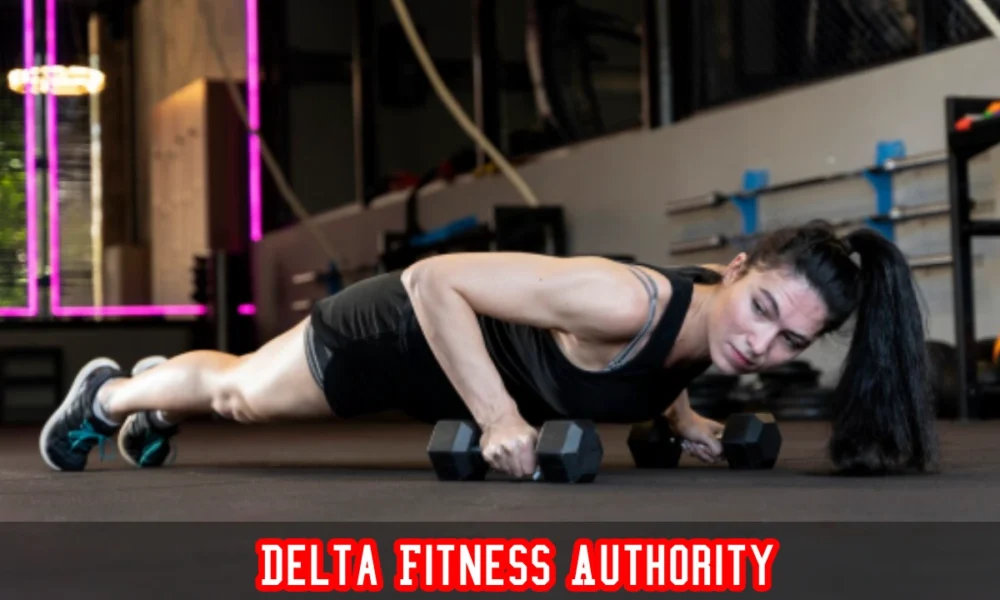
Delta Fitness Authority: What Makes Pamela Hilburger’s Training Method Work?
Delta Fitness Authority is a personal training facility built around individualized programming, measurable performance tracking, and evidence-based methods. Led by fitness professional Pamela Hilburger, it delivers structured strength, conditioning, and wellness programs for clients at every level.
What Is Delta Fitness Authority?
Delta Fitness Authority is a personal training organization that puts structured, goal-specific programming at the center of its model. It is not a standard commercial gym where members walk in, use equipment, and leave. Every client goes through a structured intake process before touching a barbell.
The facility operates on a clear principle: training without direction produces inconsistent results. Research from the American College of Sports Medicine confirms this, showing that individualized programs produce up to 30% better adherence rates compared to generic workout plans. Delta Fitness Authority builds its entire client experience around that finding.
Pamela Hilburger, a key figure behind Delta Fitness Authority, brings a background in strength and conditioning that shapes how the organization approaches program design. Her method prioritizes movement quality first, progressive overload second, and recovery as a non-negotiable third component. That sequence matters. Many facilities reverse it, loading clients before their movement patterns are stable, which is one of the primary reasons training injuries occur in the first 60 days of a new program.
The Training Philosophy Behind Delta Fitness Authority
Most fitness facilities design programs around equipment or trends. Delta Fitness Authority designs around the client’s physiology and goal timeline.
Pamela Hilburger’s approach draws from three established training principles:
Progressive overload with tracked baselines. Before any client begins a program, coaches establish baseline numbers for strength, cardiovascular capacity, and mobility. This gives both the trainer and the client a clear starting point. Without baselines, progress is invisible, and invisible progress is one of the main reasons people quit training within 12 weeks.
Periodization over random variety. Variety in training feels motivating but can interfere with actual adaptation. Delta Fitness Authority uses structured periodization, cycling between phases of volume, intensity, and recovery. This mirrors the approach used in collegiate and professional strength programs. A 2022 study published in the Journal of Strength and Conditioning Research found that periodized programs produced significantly greater strength gains over 16 weeks compared to non-periodized training.
Recovery is part of the program. Sleep quality, stress load, and nutrition directly affect how the body responds to training. Coaches at Delta Fitness Authority account for these factors during client check-ins. This is not common practice in most personal training environments, where the session ends when the client walks out the door.
Programs Offered at Delta Fitness Authority
Delta Fitness Authority runs several program tracks depending on the client’s entry point and goals.
| Program Type | Best For | Key Focus |
|---|---|---|
| Strength Foundations | Beginners or returning clients | Movement quality, baseline strength |
| Performance Training | Athletes and advanced clients | Power output, sport-specific conditioning |
| Group Conditioning | Clients who train better in groups | Cardio capacity, accountability |
| One-on-One Coaching | Clients with specific goals or injuries | Fully customized program design |
Each track includes a defined structure. Clients are not moved between tracks randomly. Progression from Strength Foundations to Performance Training happens when objective performance markers are met, not when a fixed number of weeks passes.
Nutrition guidance runs alongside training in most tracks. Caloric needs, protein targets, and meal timing are addressed based on the client’s training volume. According to the International Society of Sports Nutrition, protein intake of 1.6 to 2.2 grams per kilogram of body weight per day is the evidence-backed range for muscle retention and growth. Delta Fitness Authority’s coaching team uses these ranges as reference points rather than pushing supplement sales.
How Pamela Hilburger’s Approach Differs From Standard Personal Training
Standard personal training models in most commercial gyms follow a session-based structure. A client pays per session, the trainer delivers the workout, and accountability ends there.
Pamela Hilburger’s model is outcomes-based. The question is not whether the client completed the session. The question is whether the client is measurably closer to their goal.
This shift in framing changes how coaches behave. When outcomes matter, coaches monitor weekly data. They track load progression, body composition changes, performance benchmarks, and how clients report feeling during recovery. They adjust programs when plateaus appear rather than waiting for a scheduled reassessment.
This approach also addresses a gap that competitor facilities rarely discuss: the plateau problem. After approximately six to eight weeks of consistent training, most clients hit their first adaptation plateau. The body becomes efficient at a given stimulus and stops responding at the same rate. Without a coach who monitors data and adjusts programming proactively, most clients interpret this as failure and drop out. Delta Fitness Authority’s coaches are trained to identify plateau signals early and respond with programming adjustments before motivation drops.
Who Delta Fitness Authority Is Built For
Delta Fitness Authority works for a wide client range, but it is not the right fit for everyone. It suits people who want structure over spontaneity, who are willing to track progress, and who want a coach involved beyond the training hour.
It is particularly well-suited for:
- Adults returning to training after a gap of more than six months
- Athletes who need performance conditioning outside their sport’s practice schedule
- Clients managing chronic conditions like low back pain or metabolic disorders, where program design must account for medical history
- People who have tried gym memberships and found them ineffective without guidance
It is not a drop-in facility. Every client is part of a program, not just a membership database.
Frequently Asked Questions
What is Delta Fitness Authority?
Delta Fitness Authority is a structured personal training organization that delivers individualized strength, conditioning, and wellness programs, with programming led by fitness professional Pamela Hilburger.
Who is Pamela Hilburger?
Pamela Hilburger is a fitness professional associated with Delta Fitness Authority, known for applying evidence-based training principles and an outcomes-focused coaching model.
How is Delta Fitness Authority different from a regular gym?
It operates on program-based training rather than open-access equipment use. Every client follows a structured plan with tracked progress and regular coach check-ins.
Does Delta Fitness Authority include nutrition support?
Yes. Nutrition guidance is integrated into most program tracks, using evidence-backed intake targets rather than generic meal plans.
Is Delta Fitness Authority suitable for beginners?
Yes. The Strength Foundations program is specifically designed for clients new to structured training or returning after a long gap.