
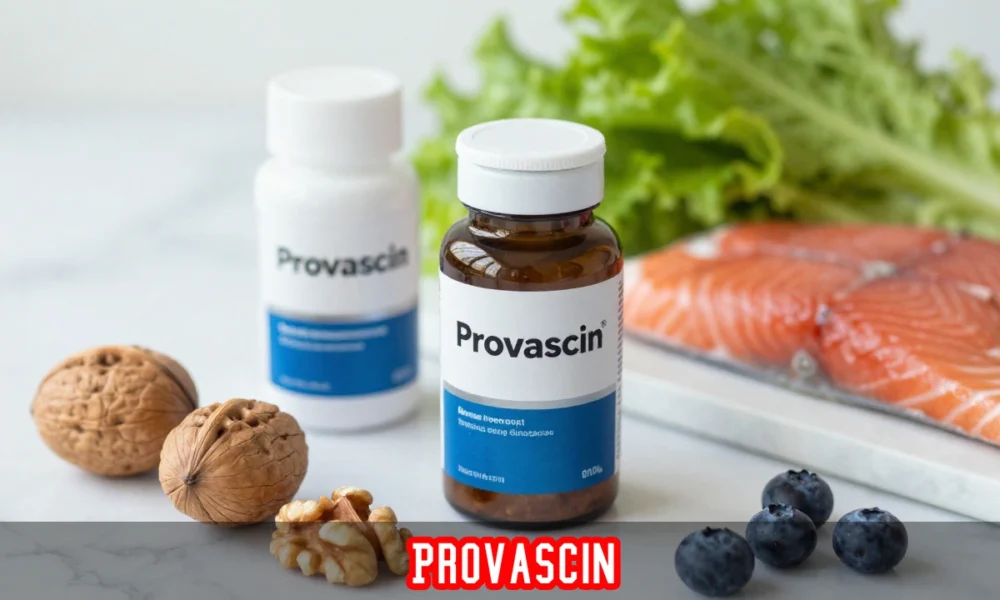
What Makes Provascin Different from Standard Heart Supplements?
Provascin is a cardiovascular supplement manufactured by Purica that combines CoQ10, L-carnitine, alpha-ketoglutaric acid, betaine, and Chaga mushroom. It supports heart health by improving cellular energy production, maintaining healthy cholesterol levels, and promoting blood vessel function. Unlike single-ingredient supplements, Provascin targets multiple aspects of cardiovascular wellness simultaneously.
Heart health concerns affect millions globally. Blood pressure fluctuations, cholesterol imbalances, and declining energy levels become more common with age. Provascin enters this space as a multi-ingredient cardiovascular formula designed to address these interconnected challenges.
This supplement goes beyond basic heart support. It combines antioxidants, amino acids, and adaptogenic compounds to create a comprehensive approach to cardiovascular wellness. Understanding how each component works helps determine if this formula aligns with your health goals.
Understanding Provascin’s Formula
Purica developed Provascin as a heart-focused supplement containing five primary ingredients. Each component plays a specific role in supporting cardiovascular function.
Core Ingredients:
CoQ10 serves as the foundation. This antioxidant protects mitochondria, the energy factories within cells. Research shows CoQ10 levels peak around age 20 and decline steadily afterward. Supplementation may help restore these levels, particularly in people taking statin medications, which reduce natural CoQ10 production.
L-carnitine functions as a transport molecule. It moves fatty acids into mitochondria, where they convert to energy. Studies indicate L-carnitine supplementation may improve exercise tolerance in individuals with angina or congestive heart failure. The amino acid also supports metabolic efficiency.
Alpha-ketoglutaric acid acts as a protective agent. This compound binds to ammonia in the bloodstream, reducing its potential to damage the heart, blood vessels, and other tissues. It contributes to the supplement’s detoxification properties.
Betaine derives from the amino acid glycine. Its primary function involves lowering homocysteine levels. Elevated homocysteine can damage arterial walls and increase the risk of atherosclerosis and blood clot formation. Betaine helps maintain healthy vascular function.
Chaga mushroom adds adaptogenic support. This medicinal mushroom helps the body respond to stress more effectively. Since chronic stress represents a significant risk factor for heart disease, Chaga’s inclusion addresses the mental and emotional aspects of cardiovascular health.
How Heart Energy Production Works
The heart requires constant energy to maintain its pumping action. This process depends heavily on mitochondrial function.
Mitochondria generate ATP, the molecule that powers cellular activities. CoQ10 participates directly in this energy production pathway. When CoQ10 levels decline, the heart’s ability to generate sufficient ATP diminishes. This can manifest as reduced contractility, meaning the heart pumps blood less efficiently.
L-carnitine enhances this process by facilitating fatty acid metabolism. The heart preferentially uses fatty acids as fuel. Without adequate L-carnitine, fatty acids cannot enter mitochondria effectively. This creates an energy deficit that affects overall cardiac performance.
The combination of these two ingredients creates a synergy. CoQ10 supports the energy production machinery while L-carnitine ensures fuel reaches the right location. Research from the George Washington University Medical Center demonstrates that this partnership helps maintain lactate levels during cardiac stress, indicating improved metabolic function.
Cholesterol and Blood Pressure Support
Cardiovascular health extends beyond energy production. Cholesterol balance and blood pressure regulation play equally important roles.
Provascin’s formula includes compounds that support healthy cholesterol levels. CoQ10 contributes to this through its antioxidant properties. Oxidized LDL cholesterol poses a greater risk than standard LDL. By reducing oxidative stress, CoQ10 helps maintain cholesterol in a less harmful state.
The supplement also promotes arterial relaxation. When blood vessels remain flexible and responsive, blood pressure stays within healthier ranges. CoQ10 has demonstrated this effect in clinical studies. Users often experience decreased blood pressure measurements after consistent supplementation.
Betaine adds another layer of support. Managing homocysteine levels, it helps prevent arterial damage that can lead to plaque formation. This protective effect supports long-term vascular health.
Dosage and Timing Recommendations
Proper use determines effectiveness. Provascin comes with specific dosage guidelines based on individual needs.
For prevention purposes, the recommended dose ranges from three to four capsules daily. This maintains baseline cardiovascular support in healthy individuals who want to protect their heart function proactively.
Those with existing cardiovascular conditions may benefit from six to eight capsules daily. This higher dose provides more intensive support. However, anyone with diagnosed heart conditions should consult their healthcare provider before starting or adjusting dosage.
Taking Provascin with meals improves absorption. The fat-soluble nature of CoQ10 means it absorbs better when consumed with dietary fats. Morning and evening doses split throughout the day maintain more consistent blood levels of active ingredients.
Consistency matters more than timing. Daily supplementation allows active compounds to accumulate in tissues where they provide benefit. Most users notice effects within three to six weeks of regular use.
Who Benefits Most from Provascin
Several groups find particular value in this cardiovascular formula.
Adults over 40 represent the primary demographic. Natural CoQ10 production declines with age, making supplementation more beneficial. People in this age range also face increased cardiovascular risk, making preventive support valuable.
Statin users need special consideration. These cholesterol medications interfere with CoQ10 production as a side effect. Supplementing with CoQ10 can help offset this depletion and reduce the muscle pain (myalgia) commonly associated with statins.
Athletes and active individuals use Provascin for endurance support. The supplement’s energy production properties translate to improved stamina during physical activity. L-carnitine’s role in fat metabolism particularly benefits those engaging in regular exercise.
People managing stress benefit from the adaptogenic properties. Chaga mushroom helps the body maintain balance during challenging periods. This reduces the cardiovascular impact of chronic stress.
Comparing Provascin to Single-Ingredient Supplements
Many people take omega-3 fatty acids or standalone CoQ10 for heart health. Understanding how Provascin differs helps inform supplement choices.
| Supplement Type | Primary Benefit | Limitation |
|---|---|---|
| Omega-3 Fatty Acids | Cholesterol support, inflammation reduction | No direct energy support |
| Standard CoQ10 | Energy production, antioxidant protection | Missing adaptogenic and metabolic support |
| L-Carnitine Alone | Fat metabolism, energy transport | Lacks antioxidant protection |
| Provascin | Complete cardiovascular support | Higher cost per serving |
Single-ingredient supplements excel in specific areas. Omega-3s effectively lower triglycerides and reduce inflammation. CoQ10 supplements boost cellular energy production. L-carnitine improves fat metabolism.
Provascin integrates these benefits into one formula. Users get energy support, antioxidant protection, and stress management from a single supplement. This comprehensive approach addresses multiple risk factors simultaneously.
The trade-off involves cost. Multi-ingredient formulas typically cost more than individual supplements. However, purchasing five separate bottles would exceed Provascin’s price point. The convenience factor also matters for people who prefer simplified supplement routines.
Safety Considerations and Interactions
Most people tolerate Provascin well. Understanding potential side effects and interactions ensures safe use.
Common side effects remain minimal. Some users report mild digestive discomfort initially. This typically resolves as the body adjusts to the supplement. Taking capsules with food reduces the likelihood of stomach upset.
Blood-thinning medications require attention. While Provascin doesn’t contain known blood thinners, its overall cardiovascular effects mean anyone taking warfarin, aspirin, or similar medications should consult their doctor before use. The supplement may enhance the effects of these medications.
People with kidney or liver conditions need medical guidance. L-carnitine metabolism involves these organs. While supplementation generally proves safe, individuals with compromised kidney or liver function should verify appropriateness with their healthcare provider.
Pregnancy and breastfeeding represent another consideration. Limited research exists on Provascin’s safety during these periods. Consulting an obstetrician before use protects both mother and baby.
Expected Results and Timeline
Realistic expectations improve supplement experience. Provascin doesn’t produce overnight changes.
Energy improvements often appear first. Users typically notice steadier energy levels and reduced mid-afternoon fatigue within three to four weeks. This reflects improving mitochondrial function and cellular energy production.
Cholesterol changes take longer. Blood lipid levels require consistent supplementation over eight to twelve weeks before showing measurable changes. Laboratory testing provides the most accurate assessment of these improvements.
Blood pressure modifications occur gradually. Some users observe decreased readings within six weeks. However, individual responses vary based on starting blood pressure levels and other lifestyle factors.
Long-term benefits accumulate over months. The antioxidant protection, improved cellular function, and stress management support compound over time. This makes Provascin more suitable for ongoing wellness maintenance rather than acute intervention.
FAQs
Can I take Provascin with my prescription medications?
Most medications have no known interactions with Provascin. However, blood thinners and heart medications require medical consultation before combining with this supplement.
How does Provascin differ from Provasil?
Provascin focuses on cardiovascular health. Provasil targets cognitive function and memory support. Despite similar names, these are different products with distinct formulations and purposes.
Do I need a prescription to buy Provascin?
No. Provascin is classified as a dietary supplement and is available without a prescription through health food stores and online retailers.
Can athletes use Provascin for performance?
Yes. The energy production support from CoQ10 and L-carnitine benefits athletic performance. Many users report improved endurance and faster recovery times.
Should I stop taking Provascin if I feel better?
Continuing supplementation maintains the benefits. The effects typically diminish if you stop taking the product. Long-term use supports ongoing cardiovascular health.
Provascin represents a multi-faceted approach to heart health. Its combination of energy-supporting, antioxidant, and adaptogenic ingredients addresses cardiovascular wellness from multiple angles. For people seeking comprehensive heart support beyond basic supplements, this formula provides a well-researched option backed by scientific understanding of cardiac function.