
Scissor Lift Rental Benefits, Safety Measures, and Key Considerations for Efficient Material Handling and Elevated Work Operations
Scissor lifts have become indispensable tools in industries that require safe and efficient access to elevated work areas, from construction and maintenance to warehousing and industrial projects. The versatility, stability, and operational efficiency of scissor lifts make them a preferred choice for businesses that need reliable equipment without committing to the purchase of machinery that may only be used intermittently. One practical and cost-effective solution is scissor lift rental, which allows companies to access high-quality equipment for specific projects while minimizing upfront costs and long-term maintenance responsibilities. Understanding the various aspects of scissor lift rental, including the types of lifts, safety protocols, operational considerations, and maintenance requirements, is essential for ensuring productivity and safety in elevated work environments.
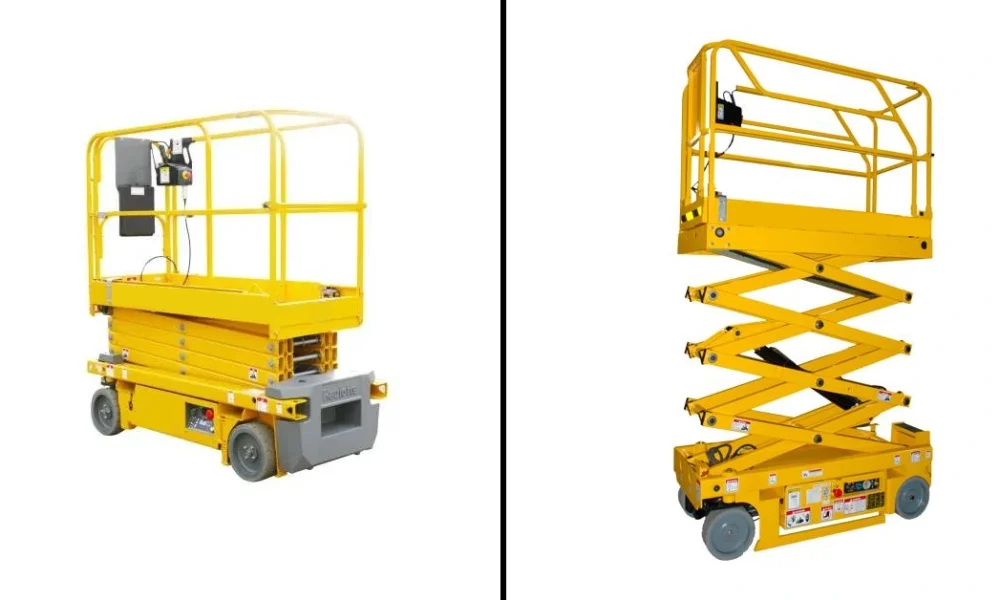
Scissor lifts are designed to provide vertical elevation, using a crisscrossing metal support structure that extends and retracts like the blades of a pair of scissors. This design offers enhanced stability compared to other aerial work platforms, making it suitable for tasks that require steady support at elevated heights. The lift mechanism can be powered by hydraulic, pneumatic, or electric systems, depending on the model and intended use. By opting for a scissor lift rental, businesses gain access to a variety of lift configurations, sizes, and load capacities, allowing them to choose the equipment that best fits the specific requirements of their project. Rental services typically include delivery, setup guidance, and optional operator training, making it a comprehensive solution for temporary elevated work needs.
Types of Scissor Lifts Available for Rental
Understanding the different types of scissor lifts is crucial when considering a scissor lift rental, as each type offers unique features and operational capabilities suited to different tasks. The most common classifications include electric scissor lifts, diesel-powered scissor lifts, and rough-terrain scissor lifts. Electric scissor lifts are typically ideal for indoor use due to their quiet operation, zero emissions, and compact design, which allows them to navigate through narrow aisles and tight spaces. Diesel-powered scissor lifts, on the other hand, are better suited for outdoor environments where higher load capacities and longer operating times are required, especially on uneven or rugged surfaces. Rough-terrain scissor lifts are specifically designed to handle uneven ground, construction sites, and outdoor conditions that demand enhanced stability and traction. Rental providers often maintain a diverse inventory of scissor lifts to accommodate a wide range of operational environments and project demands.
The dimensions and lifting capacities of scissor lifts vary widely, and selecting the correct model is essential for both safety and efficiency. Standard scissor lifts offer working heights ranging from 10 to 50 feet, while specialized lifts may reach heights exceeding 60 feet. Load capacities can also differ significantly, with some models designed to support several hundred pounds, while others can accommodate multiple workers and heavy equipment simultaneously. A well-informed scissor lift rental ensures businesses receive the appropriate equipment for their operational requirements, avoiding unnecessary risks and maximizing on-site productivity.
Safety Considerations for Scissor Lift Operations
Safety is a paramount concern when operating scissor lifts, regardless of whether the equipment is owned or rented. Elevated work platforms inherently involve risks, including falls, tip-overs, and equipment malfunctions. Adhering to proper safety guidelines and using well-maintained equipment is critical for mitigating these risks. Rental services often provide safety inspections and operational manuals to ensure that the lifts are in optimal condition and that operators are fully informed about proper usage procedures. Comprehensive training for personnel who will operate scissor lifts includes understanding weight limits, proper positioning, emergency protocols, and the correct use of personal protective equipment such as harnesses and hard hats.
Routine inspections of scissor lifts are essential for maintaining safe operation. Key components to check include the hydraulic system, platform stability, guardrails, control mechanisms, tires, and safety interlocks. Rental companies typically ensure that all scissor lifts undergo thorough inspections before delivery, allowing users to focus on their tasks without worrying about mechanical failures or safety issues. Additionally, following manufacturer guidelines and industry standards for operation further enhances workplace safety and reduces the likelihood of accidents during elevated work operations.
Benefits of Choosing Scissor Lift Rental
There are numerous advantages to opting for scissor lift rental rather than purchasing equipment outright, particularly for companies with temporary or project-based elevated work needs. One of the primary benefits is cost efficiency, as renting eliminates the need for significant capital expenditure, ongoing maintenance costs, and storage considerations. Businesses can access state-of-the-art lifts without committing to long-term ownership, which is especially beneficial for short-term projects or operations with fluctuating demand for elevated work platforms. Rental agreements often include delivery, pickup, and optional training services, reducing the logistical burden on companies and ensuring that equipment is ready for immediate use.
Flexibility is another significant advantage of scissor lift rental. Projects can vary in duration, height requirements, and operational environments, and rental providers typically offer a wide range of lifts to accommodate these variations. This adaptability allows businesses to select the most suitable lift for each project, optimizing productivity while avoiding the unnecessary costs associated with purchasing equipment that may not be used frequently. Rental services may also provide access to newer models and technologically advanced lifts, allowing businesses to benefit from modern features without investing in full ownership.
Operational Efficiency and Productivity
Scissor lifts are designed to enhance operational efficiency by providing safe, stable, and elevated access for workers and equipment. Tasks such as painting, electrical work, maintenance, installation, and inventory management are significantly streamlined when using scissor lifts, as they allow multiple personnel to perform elevated tasks simultaneously while maintaining balance and stability. The ability to raise and lower platforms smoothly reduces time spent on setup and adjustments, increasing overall productivity. Rental services often guide selecting lifts that match project specifications, ensuring that businesses can complete their work efficiently and within deadlines. Properly maintained and high-quality lifts also reduce downtime due to equipment failure, further contributing to operational efficiency.
Maintenance and Support in Rental Services
One of the key advantages of scissor lift rental is the comprehensive maintenance and support provided by rental companies. Unlike ownership, where businesses are responsible for routine inspections, servicing, and repairs, rental services ensure that lifts are delivered in optimal working condition. This includes performing hydraulic checks, battery or fuel inspections, control system verification, and safety feature assessments. Rental agreements may also offer technical support and troubleshooting assistance, allowing operators to address any operational concerns promptly. This level of service not only ensures safety but also reduces the operational burden on businesses, enabling them to focus on completing tasks efficiently and effectively.
Environmental and Sustainability Considerations
Modern rental services increasingly prioritize environmentally responsible equipment, offering electric scissor lifts and energy-efficient models that minimize emissions and noise pollution. Choosing scissor lift rental options that feature electric or low-emission systems aligns with corporate sustainability goals and regulatory requirements, particularly for indoor or urban operations. By renting rather than purchasing, companies can access the latest environmentally friendly technologies without the long-term commitment, contributing to greener operations while maintaining operational flexibility. Additionally, rental providers often manage proper disposal and recycling of worn components, further reducing the environmental impact of elevated work activities.
Planning and Preparation for Elevated Work Projects
Successfully integrating scissor lifts into a project requires careful planning and preparation. This includes evaluating project requirements such as working height, load capacity, duration, and environmental conditions. Rental companies can guide on selecting the most suitable lift model, ensuring that the equipment meets operational needs while maintaining safety and compliance. Site assessments may be conducted to identify potential obstacles, ground conditions, and necessary safety measures. By planning ahead and utilizing professional scissor lift rental services, businesses can avoid common operational pitfalls and ensure that elevated work projects proceed smoothly and efficiently.
Conclusion
Scissor lifts are vital tools for a wide range of industries, offering safe, stable, and efficient access to elevated work areas. Opting for scissor lift rental provides businesses with a cost-effective, flexible, and practical solution for temporary or project-based needs, allowing access to high-quality equipment without the financial burden of ownership. From understanding different lift types and operational safety measures to leveraging rental services for maintenance, support, and environmental sustainability, businesses can maximize productivity and safety while minimizing operational risks. Proper planning, adherence to safety protocols, and the strategic use of rental services ensure that elevated work projects are completed efficiently, effectively, and without unnecessary delays, underscoring the essential role of scissor lift rental in modern material handling and elevated work operations.