
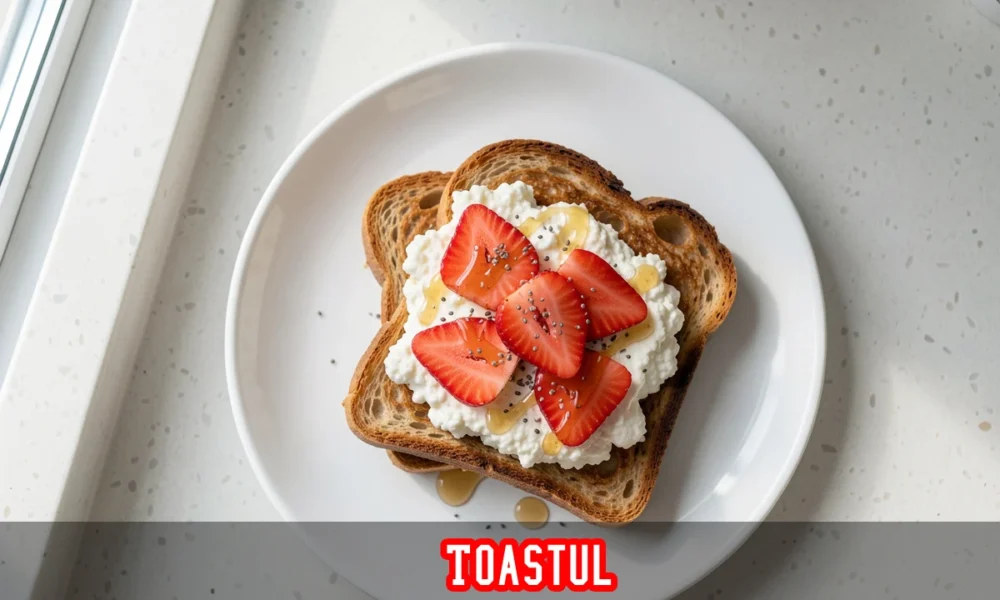
Toastul: What It Is and Why Protein-Rich Toast Actually Works
Toastul is a protein-focused approach to toast that combines whole-grain bread with high-protein toppings like Greek yogurt, eggs, cottage cheese, or nut butter. The goal is a balanced breakfast — 15 to 30 grams of protein in one meal — that keeps you full, supports muscle health, and takes under 10 minutes to prepare.
Most people eat toast wrong. A slice of white bread with butter gives you fast carbs, a brief energy spike, and hunger again within the hour. Toastul flips that. It treats toast not as a side item but as a full meal platform — one built around protein, fiber, and healthy fat from the first bite.
The concept is straightforward. Start with a quality bread base. Add a protein source. Layer on toppings that add nutritional value. The result is a breakfast that competes with eggs and oatmeal — and takes about the same amount of time.
What Exactly Is Toastul
Toastul refers to a structured approach to toast-building that prioritizes macronutrient balance. The word blends “toast” with a sense of purposeful, nutrient-aware eating. It is not a brand or a single recipe. It is a repeatable method.
The three-layer structure is what sets it apart from standard avocado toast trends:
- Base layer: Whole-grain, sourdough, rye, or sprouted bread — any option with at least 3 grams of fiber per slice
- Protein layer: Greek yogurt, cottage cheese, nut butter, hummus, eggs, smoked salmon, or lean meat
- Topping layer: Fruit, seeds, vegetables, herbs, or healthy fats that add micronutrients
Each layer serves a function. The base provides slow-releasing carbohydrates. The protein layer is where most of the satiety comes from. The toppings add vitamins, antioxidants, and flavor without adding empty calories.
Why Protein at Breakfast Matters
The science behind protein at breakfast is well-established. Research published in the American Journal of Clinical Nutrition found that high-protein breakfasts reduce hunger hormones — specifically ghrelin — more effectively than high-carb alternatives. When ghrelin stays low, you eat less throughout the morning.
Protein also triggers a larger thermic effect than carbohydrates or fat. Your body burns roughly 20 to 30 percent of protein’s calories just digesting it, compared to 5 to 10 percent for carbs. This means a protein-heavy breakfast costs your body more energy to process — a small but meaningful metabolic advantage.
For anyone trying to manage weight, build muscle, or simply avoid the 10 a.m. energy crash, starting with 20 to 30 grams of protein sets the right foundation. A well-built Toastul can hit that range. Two slices of whole-grain bread with cottage cheese and a poached egg, for example, deliver around 25 grams of protein in a single meal.
How to Build Toastul Correctly
Getting the most from Toastul comes down to ingredient choices at each layer. Here is what works best at each stage.
Bread selection: Whole-grain bread offers more fiber and B vitamins than white bread. Sourdough is worth considering because fermentation breaks down phytic acid, which improves mineral absorption. Dave’s Killer Bread and similar sprouted-grain options provide 5 grams of protein per slice before you add anything.
Protein selection: This is the most important layer. Greek yogurt and cottage cheese are both excellent — low in fat, high in casein protein, and easy to spread. A half cup of cottage cheese delivers around 14 grams of protein. Nut butters provide protein with healthy fats, though the protein count per tablespoon is lower at around 3 to 4 grams. For higher protein targets, a poached or soft-boiled egg adds another 6 grams.
Toppings that add value: Chia seeds add 2 grams of protein plus omega-3 fatty acids per tablespoon. Berries are rich in anthocyanins, which support brain function and reduce inflammation. Sliced banana adds potassium and natural sweetness without refined sugar. Hemp seeds are worth adding to any Toastul build — three tablespoons provide 10 grams of complete protein, including all nine essential amino acids.
| Protein Source | Serving | Protein (g) |
|---|---|---|
| Cottage cheese | ½ cup | 14g |
| Greek yogurt | ½ cup | 11g |
| Egg (poached) | 1 large | 6g |
| Almond butter | 2 tbsp | 7g |
| Hemp seeds | 3 tbsp | 10g |
| Smoked salmon | 2 oz | 13g |
Sweet vs. Savory Toastul Builds
One of the practical strengths of Toastul is that it works across both flavor profiles without changing the nutritional structure.
For a sweet build, spread vanilla Greek yogurt on toasted sourdough, top with sliced strawberries and a tablespoon of chia seeds, and drizzle with a small amount of honey. Total prep time: under four minutes. Protein count: around 13 to 15 grams per slice.
For a savory build, mash ripe avocado onto whole-grain toast, layer on a poached egg, add a sprinkle of hemp seeds, and finish with chili flakes and black pepper. This combination delivers healthy monounsaturated fats from the avocado, complete protein from the egg, and additional protein from hemp seeds. Total protein per serving: around 18 to 22 grams.
For a high-protein savory option, spread hummus on rye toast, layer smoked salmon on top, and finish with thin slices of cucumber and fresh dill. This Mediterranean-style build hits over 20 grams of protein and includes omega-3 fatty acids from the salmon — beneficial for cardiovascular health and cognitive function.
Practical Tips for Everyday Use
Speed matters in the morning. Preparing toppings the night before removes the main barrier to eating well. Store pre-sliced fruit, portioned nut butter, and pre-made spreads like hummus in separate containers. Morning assembly then takes two minutes, not ten.
Bread quality makes a real difference. Thin, heavily processed supermarket bread turns soggy fast and offers little nutritional value. A sturdy sourdough or sprouted-grain slice holds toppings properly and provides better texture.
Toasting to golden-brown rather than light-colored creates a firmer surface that supports heavier toppings like cottage cheese or avocado without collapsing. It also develops a slightly lower glycemic response compared to untoasted bread, according to research from Oxford Brookes University.
Frequently Asked Questions
What makes Toastul different from regular avocado toast?
Toastul is a method, not a single recipe. It requires a defined protein layer in every build, which regular avocado toast often skips.
How much protein should Toastul have per serving?
Aim for 15 to 25 grams per meal to meet most adults’ morning protein targets.
Can Toastul work for weight loss?
Yes. Protein increases satiety and reduces overall calorie intake throughout the day. Multiple clinical studies support this.
Is Toastul suitable for vegetarians?
Fully. Cottage cheese, Greek yogurt, nut butters, eggs, hummus, and hemp seeds are all vegetarian-friendly protein sources.
What bread type works best?
Whole-grain or sprouted-grain bread gives the best combination of fiber, slow-releasing carbs, and structural support for toppings.