
Beyond the Contract: Hidden Legal Risks in Residential Property Transfers
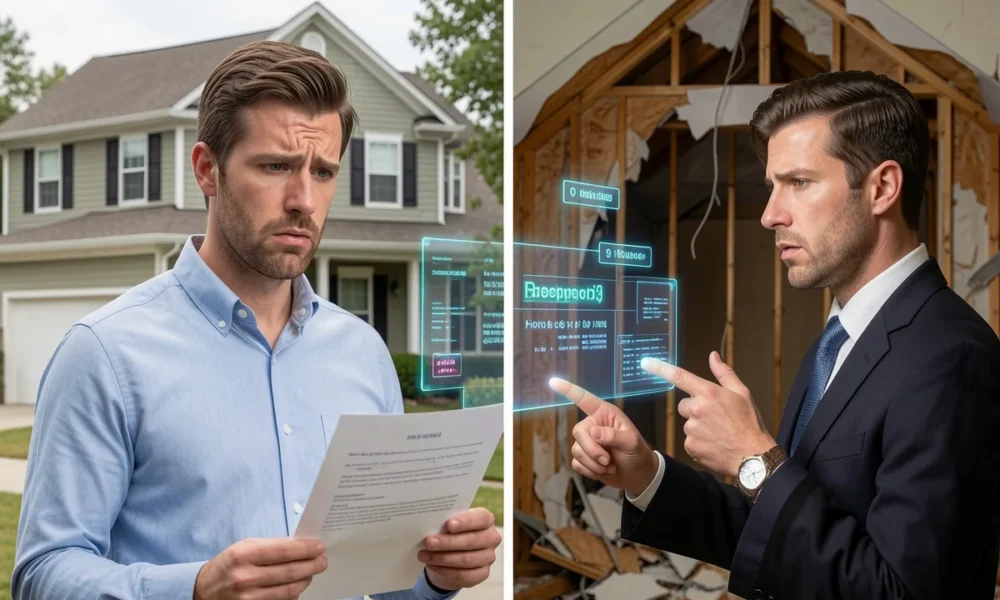
The contract you sign doesn’t reveal all the potential risks associated with the property. Most building and pest inspection reports disclaim liability for anything not in the written report. So let’s say you discover mould or a termite infestation not covered properly in the report; too bad. You’ll usually have little recourse. Painful, but you can walk away. Let’s say, however, that you have bought the home at auction. You will then be contractually bound.
In general, vendor disclosure extends to any information that might be material to a purchaser, i.e., any information “likely to affect a purchaser’s decision-making process”. Lawyers call these decisions “not readily discoverable by a purchaser through an ordinary inspection of the premises”.
What A Building Inspection Won’t Find
A pre-purchase building report is a structural document. It tells you about cracked foundations, dodgy wiring, or rising damp. It won’t tell you that there’s a restrictive covenant from 1962 preventing you from building a second storey. It won’t flag that the property sits under a heritage overlay that blocks the renovation you’ve been planning.
These are legal encumbrances, and they live in the title, not the brickwork. A heritage overlay, for instance, can severely restrict external alterations – even paint colour in some cases. Restrictive covenants run with the land, meaning they bind every future owner, not just the one who agreed to them. Neither will appear on a standard inspection report.
This is exactly what a property lawyer is looking for when they conduct title due diligence. The building inspector checks what’s there. The lawyer checks what you’re legally allowed to do with it. For transactions in the ACT, working with canberra solicitors property professionals who know the local regulatory environment can be the difference between catching a problem early and inheriting it.
The Unapproved Structures Problem
Here’s another simple one – want to build townhouses (or similar) on a house-sized block? Can’t we ensure access for future maintenance? Wastewater and stormwater disposal are important problems. Better check you can overcome those hurdles first.
Pre-purchase, the solution might simply be a feasibility condition that allows you out if you can’t do what you’d hoped. That’s not so easy post-purchase.
Unapproved structures are more common than most buyers realise. A deck added without council approval, a garage conversion turned into a granny flat, or a pergola that exceeds permitted dimensions – these can all become the buyer’s problem the moment settlement occurs. Councils can issue orders requiring structures to be brought into compliance or demolished, and that cost falls on the new owner.
A lawyer reviewing the contract can advise on seeking warranties from the vendor or making approval a condition of sale, giving you genuine protection rather than an unpleasant surprise down the track.
Easements And Implied Rights You Didn’t Know Existed
Easements are pretty simple things. They are just a right for someone to use or access a part of your property. The most common example is the right of way on the side or back of your property, so neighbours can get to their property. Other examples could be that someone has a right to run a drain from their property over your property, or to access part of your property to do repairs to their property. Those things are normally all disclosed when you get a contract to buy a property, and are registered on the title to the property and a plan.
What catches buyers off guard is the easement that isn’t formally registered. If a neighbour has been crossing a corner of a property openly for many years, they may have acquired a legal right to keep doing so – even without anything written down. A thorough title search, combined with a lawyer who knows what questions to ask, is the only reliable way to surface these hidden encumbrances before they become your problem.
Off-The-Plan Contracts And Sunset Clauses
When you buy a property that has not yet been built – going “off the plan” – you take a gamble. Although it is not a foregone conclusion that you will pay less for a property that’s not even a hole in the ground than you will for someone else’s ready-made home, the implicit wager is that property prices will have risen in the meantime, or at the very least that you will have created some capital. A sizable deposit is usually required upfront, even though construction might not start for 12 months or more. You might also be paying off the principal of a mortgage all the while.
Most importantly, you will have absolutely no idea about a million things that will shape your impression of your future home: the quality of light, the nature of your view, the sound of neighbors, how well traffic noise is muffled, and so forth. As the area where you’ll be living has yet to be built, you could also have a supermarket downstairs, but three others on each corner as well.
Ownership Structure And What Happens After
Ownership structure can isolate risk, too. When purchasing alongside people with complicated financial lives, commercial objectives, an entrepreneurial streak, or a riskier lifestyle, it’s natural to be nervous. Specific entities can limit an individual buyer’s liability to just their interest in the property – if the wrong partner goes bankrupt, their creditors can’t force a sale from the rest of the owners.
It’s also worth thinking about ownership structure not just at purchase, but in the event the relationship between co-owners breaks down. The absence of a co-ownership agreement can lead to costly disputes about contributions, rights, and forced sales. A lawyer can put a simple agreement in place from the outset – far easier to negotiate before settlement than in the middle of a falling-out.
The Cooling-Off Period Is Short
There is very little time available for a buyer to withdraw from a real estate transaction. Every buyer is bound by this unchanging deadline. The most important due diligence – title checks, easements, covenants, warranties, and structural surveys – must be completed before this deadline.
The skill of a real estate solicitor is not in their ability to complete the due diligence; it is in knowing what is important, where to look, and what to do if things are not as they should be before the deadline passes.