
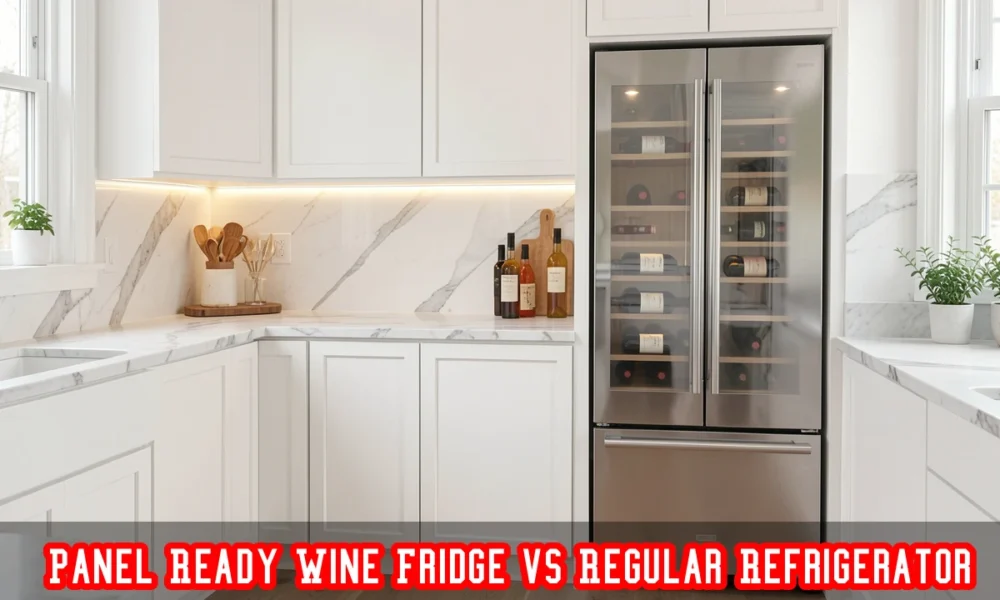
Panel Ready Wine Fridge vs Regular Refrigerator: Which One Actually Belongs in Your Kitchen?
A panel-ready wine fridge blends into cabinetry using a custom door panel, preserving kitchen aesthetics. A regular refrigerator stores all food at one temperature. If you prioritize wine quality and design consistency, the panel-ready option delivers both. For general use, a standard fridge covers more ground.
When you are planning a kitchen remodel or upgrading your home bar setup, one question comes up fast: panel ready wine fridge vs regular refrigerator — which one makes more sense? The answer depends on how you use your kitchen, how much you care about wine storage conditions, and what your budget looks like. This article breaks down both options with clear comparisons so you can make a confident decision.
What Is a Panel Ready Wine Fridge?
A panel-ready wine fridge is a refrigeration unit designed to accept a custom cabinet panel on its door. The panel matches your existing cabinetry, making the appliance invisible within the kitchen design. From the outside, it looks like just another cabinet door.
These units are built specifically for wine. They maintain temperatures between 45°F and 65°F (7°C to 18°C), which is the range wines need to age and preserve their flavor correctly. Many models offer dual-zone cooling, meaning you can store red and white wines at their ideal temperatures simultaneously.
According to the Wine & Spirit Education Trust (WSET), improper temperature fluctuations are one of the leading causes of wine spoilage at home. A dedicated wine fridge eliminates that risk.
If you own a wine collection worth protecting, the controlled environment inside a panel-ready wine fridge does something a standard refrigerator cannot.
What Does a Regular Refrigerator Actually Do?
A regular refrigerator is a general-purpose appliance. It keeps food and drinks cold, typically between 35°F and 38°F (1.7°C to 3.3°C). That range is too cold for long-term wine storage. Storing wine at refrigerator temperatures for extended periods strips its aroma and can damage the cork over time.
Standard fridges also run with compressors that cycle on and off throughout the day. This creates subtle vibrations. The Journal of Food Science has documented that consistent vibration accelerates chemical reactions in wine, disrupting the aging process.
Regular refrigerators are not designed for wine. They work for short-term chilling — a bottle you plan to drink tonight is fine. But if you are aging wine for weeks or months, a standard fridge is not the right tool.
A regular refrigerator is built for food preservation across a wide range, not for the specific and sensitive conditions wine requires.
Design and Kitchen Integration
This is where the panel-ready wine fridge vs regular refrigerator comparison becomes most visible — literally.
A standard refrigerator is a standalone appliance. It comes in stainless steel, black, or white finishes and sits as its own unit in the kitchen. Even the most expensive models do not disappear into the cabinetry the way a panel-ready unit does.
A panel-ready wine fridge accepts a custom-cut cabinet door that your contractor or cabinet maker installs. Once fitted, it sits flush with your cabinets. Interior designers and kitchen remodelers consistently recommend this option for high-end kitchen builds where appliance visibility disrupts the visual flow.
If your kitchen uses handle-less cabinetry or a monochromatic color scheme, a stainless steel wine fridge will stand out in a way that most homeowners do not want. The panel-ready format solves that problem entirely.
Panel-ready wine fridges are the better choice when your kitchen design demands visual continuity. Regular refrigerators work fine in practical, utility-focused kitchens.
Temperature Zones and Wine Storage Science
Wine storage science is straightforward. Red wines perform best between 55°F and 65°F (12°C to 18°C). White wines and sparkling wines need 45°F to 55°F (7°C to 12°C). A standard fridge runs colder than both ranges.
Dual-zone panel-ready wine fridges solve this by maintaining two separate compartments at two separate temperatures. You store your reds in the upper zone and whites in the lower zone without any compromise.
Humidity also matters. Wine corks require 50% to 70% relative humidity to stay moist and maintain a proper seal. A regular refrigerator’s environment is too dry. It draws moisture out of the air and, over time, out of the cork. A shrunken or dried cork allows air into the bottle, which oxidizes the wine.
Temperature and humidity control are the two areas where panel-ready wine fridges win decisively over standard refrigerators for wine preservation.
Cost Comparison
| Factor | Panel Ready Wine Fridge | Regular Refrigerator |
|---|---|---|
| Unit Cost | $800 – $5,000+ | $600 – $3,500 |
| Installation Cost | $200 – $800 (custom panel) | $100 – $300 |
| Energy Use | Lower (smaller unit) | Higher (larger compressor) |
| Wine Storage Capacity | 20 – 300+ bottles | Not designed for wine |
| Lifespan | 10 – 15 years | 10 – 20 years |
The upfront cost of a panel-ready wine fridge is higher when you factor in cabinet panel fabrication. But for wine enthusiasts, the cost of replacing a spoiled wine collection often exceeds the price difference many times over.
Which One Should You Choose?
The decision in the panel ready wine fridge vs regular refrigerator debate comes down to three questions.
Do you store wine for more than a week at a time? If yes, a wine fridge is the better fit. Do you care about your kitchen’s visual design? If yes, the panel-ready format delivers results that a standard fridge cannot. Do you need one appliance to handle all food and drink storage? If yes, a regular refrigerator remains the practical choice.
For households with a growing wine collection, interior designers and appliance specialists consistently recommend adding a dedicated wine fridge alongside a standard refrigerator — not replacing one with the other. These two appliances serve different purposes and work best when used together.
FAQs
Can a panel-ready wine fridge replace a regular refrigerator?
No. Wine fridges are designed for wine storage only. They do not maintain the temperature range needed for food safety. You still need a standard refrigerator for everyday food storage.
Is a panel-ready wine fridge worth the extra cost?
If you store wine regularly and care about kitchen aesthetics, yes. The temperature control and design integration justify the investment for serious wine drinkers.
What size panel-ready wine fridge should I buy?
Start with a unit that holds at least 30% more than your current collection. Wine collections grow, and running out of space quickly is a common mistake buyers make.
Can I install a panel-ready wine fridge myself?
The unit installation is manageable for someone with basic skills, but the custom cabinet panel requires a carpenter or cabinet maker for a clean, flush finish.
Does a wine fridge use more electricity than a regular refrigerator?
No. Wine fridges are smaller and use less energy on average. The U.S. Department of Energy notes that full-size refrigerators consume 400 to 1,000 kWh per year, while wine fridges typically use 100 to 300 kWh annually.