
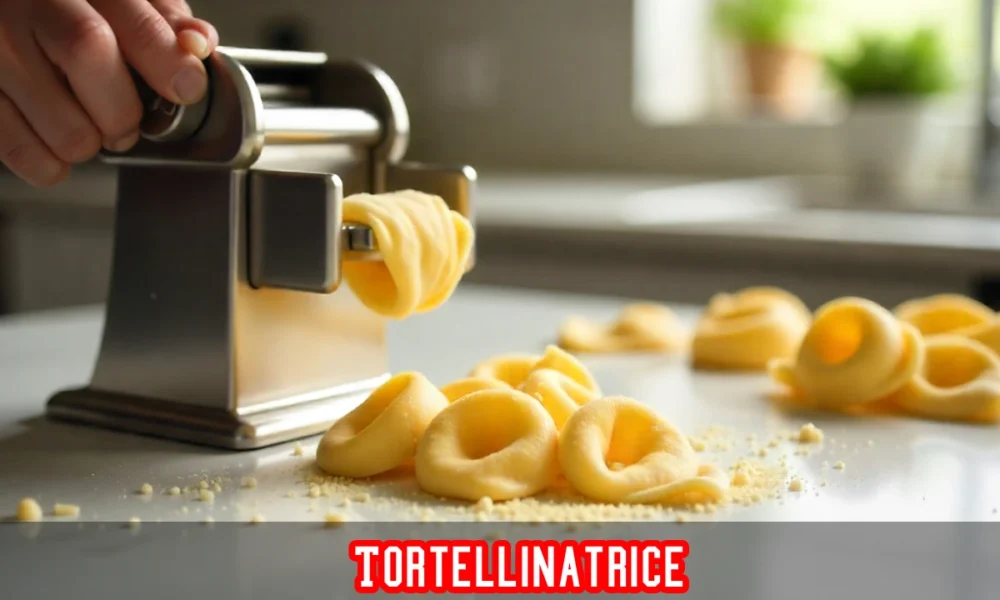
Tortellinatrice: How This Machine Makes Perfect Tortellini
A tortellinatrice is a specialized pasta-making machine that shapes and seals tortellini by folding filled pasta dough into consistent rings. It automates the traditional hand-folding process, producing uniform pasta pieces faster while maintaining authentic Italian shape and seal quality.
What Is a Tortellinatrice
A tortellinatrice is a kitchen device designed specifically for making tortellini, the small ring-shaped pasta filled with meat, cheese, or vegetables. The name comes from Italian: “tortellini” (the pasta) and “trice” (maker).
This machine handles the most time-consuming part of tortellini production—folding and sealing each piece. Traditional methods require rolling dough, cutting squares, adding filling, then folding and pinching each piece by hand. A tortellinatrice mechanizes this process.
The machine works with both fresh egg pasta dough and semolina-based dough. You feed pasta sheets through one end, the machine cuts, fills, folds, and seals, then outputs finished tortellini ready for cooking or drying.
Most tortellinatrice models produce 30-60 pieces per minute, compared to 8-12 pieces per minute by hand. This speed matters for restaurants, catering operations, and home cooks making large batches for freezing.
A tortellinatrice transforms hours of hand-folding into minutes of automated production while keeping traditional pasta shape and quality.
How a Tortellinatrice Works
The machine operates through a series of mechanical steps:
Step 1: You roll pasta dough to 1-2mm thickness using a separate roller or the built-in sheeter on advanced models.
Step 2: The dough sheet feeds into the cutting station, which stamps out squares (typically 40mm x 40mm).
Step 3: A filling dispenser deposits a measured amount (usually 2-3 grams) of your prepared filling onto each square.
Step 4: The folding mechanism brings opposite corners together, creating the initial triangle shape.
Step 5: A second folding stage wraps the triangle around a forming pin, creating the characteristic ring shape.
Step 6: A sealing press applies pressure to bond the pasta edges, preventing filling from leaking during cooking.
Manual models use a hand crank to power these steps. Electric versions run on motors with adjustable speed settings. Commercial machines add automated filling systems and conveyor output.
The forming pins—small metal cylinders—determine the final tortellini size. Standard pins create 20-25mm rings. Larger pins produce 30-35mm tortelloni.
The machine replicates hand-folding through synchronized cutting, filling, folding, and sealing stages controlled by either manual cranking or electric motors.
Manual vs. Electric Tortellinatrice Models
Manual Tortellinatrice
Manual models attach to countertops with clamps. You turn a hand crank to operate the mechanism. These machines cost $80-$300 and produce 30-40 pieces per minute.
Advantages: No electricity needed, portable, easier to clean, lower initial cost, better for occasional use.
Disadvantages: Requires physical effort, slower production, and one person can’t prepare the dough and operate simultaneously.
Best for: Home cooks making 100-300 pieces per session, kitchens without convenient power outlets, users wanting traditional control.
Electric Tortellinatrice
Electric models plug into standard outlets and use motors to drive the mechanism. They range from $400-$2,500 depending on capacity and features. Production reaches 50-60 pieces per minute.
Advantages: Consistent speed, less physical effort, can run continuously, and some models include automated filling dispensers.
Disadvantages: Higher cost, requires a power source, more components to maintain, heavier, and less portable.
Best for: Restaurants producing 500+ pieces daily, catering businesses, serious home cooks who make pasta weekly.
| Feature | Manual | Electric |
|---|---|---|
| Price Range | $80-$300 | $400-$2,500 |
| Speed | 30-40/min | 50-60/min |
| Power Source | Hand crank | Electric motor |
| Maintenance | Simple | Moderate |
| Best For | Home use | Commercial use |
Choose manual for occasional home use and portability; choose electric for high-volume production and reduced physical effort.
Who Should Use a Tortellinatrice
Restaurant Owners: Restaurants serving fresh pasta benefit most. Making 200-500 tortellini daily by hand takes 3-4 hours. A tortellinatrice cuts this to 45-60 minutes, freeing kitchen staff for other tasks.
Catering Operations: Caterers preparing large events need consistency. A tortellinatrice ensures every piece looks identical and cooks evenly, which matters when serving 100+ guests.
Home Pasta Enthusiasts: If you make fresh pasta monthly or more, the machine pays for itself in time saved. Freeze batches for quick weeknight meals.
Small Pasta Shops: Retail pasta producers use tortellinatrice machines to scale production while maintaining artisan quality. The hand-made appearance appeals to customers.
Not Ideal For: Occasional cooks making pasta once or twice yearly won’t justify the cost or storage space. Hand-folding 50-100 pieces takes 20-30 minutes—manageable for infrequent use.
The machine makes sense when you produce tortellini regularly enough that time savings offset the equipment cost and storage requirements.
Maintenance and Cleaning Guidelines
After Each Use:
- Disassemble removable parts (cutting blade, folding pins, filling dispenser)
- Wash parts in warm soapy water, rinse thoroughly
- Dry completely before reassembling to prevent rust
- Wipe down metal surfaces with food-safe mineral oil
Weekly (for frequent users):
- Check the tightness of mounting screws and clamps
- Inspect the cutting blade for dullness or nicks
- Lubricate moving parts with food-grade lubricant
- Clean filling dispenser tubes with a bottle brush
Monthly:
- Deep clean all parts with baking soda paste
- Inspect pasta contact surfaces for scratches
- Tighten any loose screws or bolts
Never:
- Put parts in dishwasher (warps plastic, corrodes metal)
- Use steel wool (scratches surfaces)
- Store while still damp (causes rust)
- Force jammed mechanisms (damaged gears)
Clean immediately after use, dry completely, and lubricate moving parts monthly to extend machine life and prevent pasta contamination.
Common Problems and Solutions
Problem: Pasta tears during folding. Solution: Dough too dry. Add 1 teaspoon of water per 100g of flour, knead thoroughly, and rest 20 minutes before rolling.
Problem: Filling leaks from sealed edges. Solution: Too much filling (reduce to 2-3g per piece) or dough too thick (roll to 1.5mm maximum).
Problem: Uneven tortellini sizes. Solution: Inconsistent dough thickness. Use guide rollers set to the same number forthe entire batch.
Problem: Machine jams during operation. Solution: Dough stuck in the mechanism. Stop immediately, disassemble, clean, and check that the dough isn’t too wet or sticky.
Problem: Edges don’t seal properly. Solution: Dough dried out. Cover unused dough with a damp towel. Lightly brush pasta edges with water before sealing.
FAQs
Can you make other pasta shapes with a tortellinatrice?
No, this machine only makes tortellini rings. For ravioli, cappelletti, or other shapes, you need different equipment or attachments.
How long does fresh tortellini from a tortellinatrice last?
Refrigerated: 2-3 days. Frozen: 2-3 months. Store in single layers separated by parchment paper to prevent sticking.
Do you need special flour for a tortellini maker?
Use 00 flour or all-purpose flour with 30% semolina. Avoid whole wheat flour—it creates brittle dough that tears in the machine.
Can you use store-bought pasta dough?
Yes, but ensure it’s rolled to the correct thickness (1-2mm). Some commercial doughs contain additives that affect machine performance.
How thick should pasta dough be for a tortellinatrice?
Roll to 1.5mm for best results. Thicker dough won’t seal properly; thinner dough tears during folding.