
Wattios: How Smart Energy Management Cuts Your Electric Bill
Wattios is a smart energy management platform that uses IoT sensors and AI algorithms to monitor, analyze, and control electricity consumption in homes and businesses. The system provides real-time data on device-level energy usage, identifies inefficiencies, and sends actionable recommendations to reduce utility bills by 10-40% while lowering carbon footprints.
What Makes Wattios Different From Traditional Energy Meters
Traditional energy meters show you one number at the end of each month. That single figure tells you nothing about where your electricity goes or which devices drain your wallet.
Wattios changes this approach completely. The platform tracks energy consumption at the device level, giving you visibility into every appliance, light fixture, and system in your building. You see which machines waste power, when consumption spikes occur, and where you can make immediate changes.
Studies show smart energy management systems deliver average savings of 7.5% on total utility bills. Some businesses report even higher returns. Companies can achieve energy cost savings up to 40% within the first year of implementing intelligent monitoring solutions.
The technology works through connected sensors that communicate with a central dashboard. These sensors measure electrical current to individual devices and transmit data via WiFi, LoRaWAN, or cellular networks to cloud-based analytics platforms.
Core Components That Power The System
The architecture behind Wattios relies on four essential elements working together.
IoT Sensors and Smart Meters
Small monitoring devices attach to your electrical circuits, machines, and appliances. They capture consumption data every few minutes and send it wirelessly to your control platform. Modern sensors achieve accuracy within 0.5% and can detect loads as small as 0.1 amperes.
Cloud-Based Analytics Engine
Raw data flows into sophisticated algorithms that identify patterns, detect anomalies, and calculate efficiency metrics. The system compares your consumption against historical baselines and industry benchmarks to spot problems.
User Dashboard Interface
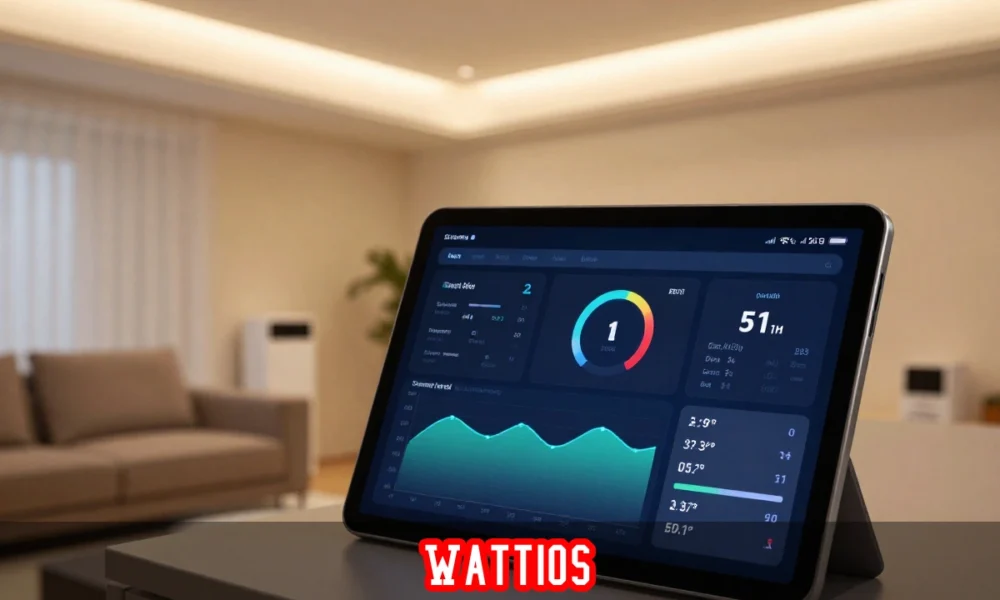
Web and mobile interfaces display live energy data in charts, graphs, and notifications. You can view total consumption, drill down to specific devices, and access historical trends from any location with internet access.
Automated Control Systems
The platform can adjust devices based on your rules. It might dim lights in empty rooms, reduce HVAC output during off-peak hours, or shift heavy appliance usage to cheaper rate periods.
How Real-Time Monitoring Changes Energy Behavior
When you can’t see your energy use, you can’t control it. Real-time visibility triggers three important changes in how people manage electricity.
First, awareness increases. You discover the refrigerator running inefficiently, the space heater left on overnight, or the server room consuming three times the expected power. These insights lead to immediate fixes.
Second, you gain timing control. Systems can participate in demand response programs where consumption automatically reduces during peak times in exchange for bill credits or lower rates. This helps you avoid expensive peak pricing while supporting grid stability.
Third, maintenance improves. When energy patterns shift unexpectedly, something has broken or degraded. Early detection prevents small issues from becoming costly failures.
Practical Applications Across Different Settings
Smart energy management serves various environments with specific benefits for each.
Residential Homes
Families track which appliances consume the most power. They schedule dishwashers and washing machines during off-peak hours. They identify vampire loads from devices in standby mode. The system helps homeowners with solar panels maximize self-consumption of generated power.
Commercial Buildings
Office complexes use intelligent controls for lighting, HVAC, and elevator systems. The platform adjusts temperature by zone based on occupancy sensors. It turns off equipment after business hours and reduces energy waste in common areas.
Industrial Facilities
Manufacturers monitor production line equipment, motors, and processing systems. Smart predictive maintenance cuts equipment failures by 70% and reduces maintenance costs by 25%. Factories identify process inefficiencies that add unnecessary energy expense to every unit produced.
Cost Analysis: Investment vs Returns
The financial case for smart energy management breaks into three parts.
Initial Investment
Hardware costs vary based on the number of monitoring points. A residential installation might run $500-2000 for sensors, gateways, and setup—commercial systems scale based on building size and complexity. Cloud platform subscriptions typically charge monthly fees between $10-100 depending on features.
Operating Savings
Federal facilities implementing automated fault detection achieved median annual savings of $0.27 per square foot, compared to deployment costs of $0.05 and recurring costs of $0.07 per square foot. The payback period for most installations ranges from 6 to 18 months.
Long-Term Value
Beyond direct utility savings, the system delivers maintenance cost reduction, equipment life extension, and improved operational efficiency. Carbon footprint reduction may qualify for tax incentives or regulatory compliance credits in some jurisdictions.
Technology Integration With Renewable Sources
Modern energy management extends beyond consumption tracking into generation coordination.
When you install solar panels or battery storage, Wattios-type systems balance multiple power sources. The platform prioritizes using generated solar power for immediate needs, stores excess in batteries for peak-rate periods, and only draws from the grid when necessary.
Smart systems can integrate and manage renewable energy sources, monitoring output and balancing it with grid power to ensure renewable energy reaches maximum potential. This integration cuts reliance on non-renewable sources while maintaining supply stability.
The coordination becomes especially valuable for electric vehicle charging. The system charges your car during low-rate hours using stored solar power, avoiding expensive peak electricity while maximizing your renewable investment.
Data Security and Privacy Considerations
Connected devices create potential security vulnerabilities. Reputable energy management platforms address this through multiple layers of protection.
Data transmission uses encrypted channels. Access controls limit who can view consumption information or adjust settings. Regular security updates patch discovered vulnerabilities. Some systems allow local data storage as an alternative to cloud platforms for organizations with strict privacy requirements.
Users should verify that any energy management solution complies with relevant data protection regulations in their jurisdiction and follows industry security standards.
Implementation Best Practices
Success with smart energy management requires more than just installing hardware.
Start with a baseline audit. Document current consumption patterns before making changes so you can measure actual improvements. Identify the highest-consuming systems first since these offer the biggest savings potential.
Set clear goals. Define specific reduction targets, payback period expectations, and key metrics to track. Establish who will monitor the dashboard and respond to alerts.
Train users properly. Staff or family members need to understand how the system works, what actions they should take when notified, and how their behavior impacts results.
Review data regularly. Schedule weekly or monthly analysis sessions to identify new opportunities, verify savings targets, and adjust strategies based on what the data reveals.
Future Developments in Smart Energy Management
The technology continues advancing in three key directions.
Artificial intelligence will provide more sophisticated prediction capabilities. Systems will forecast consumption needs based on weather patterns, occupancy schedules, and historical trends. They’ll automatically adjust settings before problems occur rather than reacting to issues.
Integration depth will expand. More devices will include native energy monitoring capabilities, reducing the need for external sensors. Appliances will communicate directly with management platforms to coordinate operation timing and intensity.
Grid interaction will increase. As more homes and businesses install generation and storage capacity, distributed energy resources will require coordination. Smart management systems will help balance supply and demand across neighborhoods, supporting grid reliability while maximizing local renewable usage.
Frequently Asked Questions
How quickly will I see savings on my electricity bill?
Most users notice reduced consumption within the first billing cycle after installation. Full savings potential typically emerges after 2-3 months once you’ve implemented all recommended changes.
Can the system work with my existing appliances?
Yes. Energy monitoring connects at the circuit level, so it tracks any device receiving power regardless of age or technology.
Does this require professional installation?
Basic residential systems allow DIY setup. Commercial or whole-building implementations typically benefit from professional installation to ensure proper sensor placement and system configuration.
What happens if my internet connection fails?
Most systems store data locally during outages and sync to the cloud when connectivity returns. Critical alerts may route through cellular backup.
How accurate is device-level monitoring?
Modern sensors achieve 0.5-1% accuracy in measuring energy consumption. The system identifies individual devices through load signature recognition algorithms.