
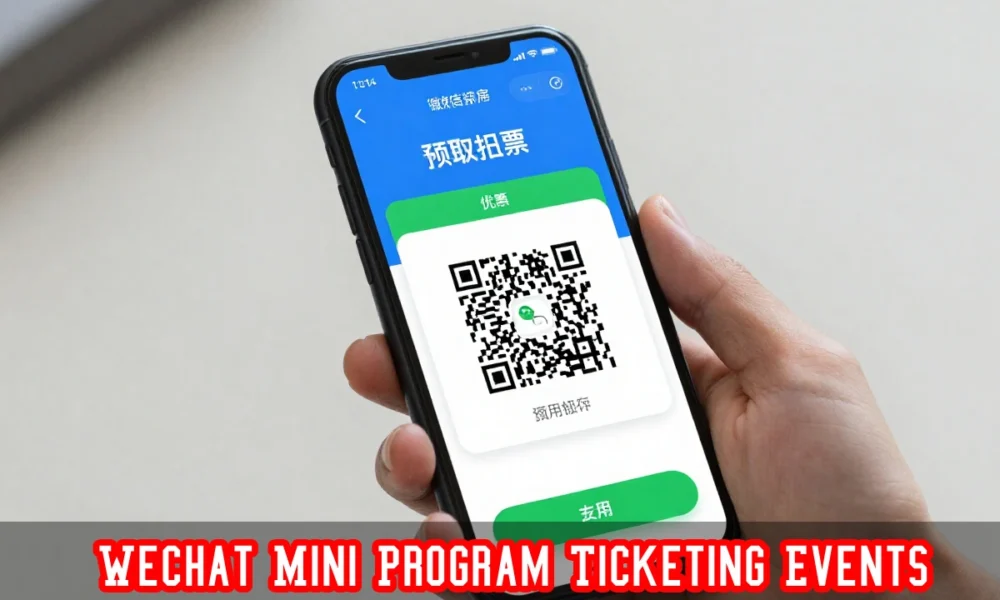
WeChat Mini Program Ticketing Events: Complete Guide
WeChat Mini Program ticketing events are digital ticketing systems built inside WeChat that handle ticket sales, payments, and venue entry without requiring separate apps. With 945 million monthly active users, these Mini Programs offer organizers instant access to WeChat Pay, QR code validation, and real-time attendance tracking—all within China’s most-used messaging platform.
Event ticketing has changed. Paper tickets and external platforms create friction. WeChat Mini Program ticketing events remove these barriers by keeping the entire journey—from discovery to entry—inside an app that 1.4 billion people already use daily.
The numbers tell the story. WeChat Mini Programs reached 945 million monthly active users in 2025, with users spending an average of 68.1 minutes inside Mini Programs daily. For event organizers, this represents direct access to an audience that trusts the platform for payments, communication, and daily tasks.
This guide explains how WeChat Mini Program ticketing works, why it outperforms traditional platforms, and what organizers need to launch successful events.
What Makes WeChat Mini Programs Different for Ticketing
Mini Programs are lightweight apps that run inside WeChat. Users open them instantly—no downloads, no separate logins, no payment setup. This matters for ticketing because every extra step in the purchase process reduces conversions.
Traditional ticketing platforms force users to leave WeChat, create accounts, and enter payment details. WeChat Mini Program ticketing events eliminate these steps. A user taps a link in a group chat, selects tickets, pays with WeChat Pay (which has 935 million users), and receives a QR code ticket—all in under 60 seconds.
The platform handles the technical infrastructure. WeChat provides payment processing, user authentication, QR code generation, and push notifications. Organizers focus on event content rather than building payment systems or security protocols.
The Numbers Behind Mini Program Ticketing Growth
The online event ticketing market is projected to reach $107.1 billion by 2032, growing at 4.96% annually. Mobile ticketing dominates this growth, with 80% of attendees preferring mobile tickets over printed versions.
WeChat’s advantage comes from integration. When ticketing lives inside the same app used for messaging, payments, and social sharing, purchase barriers disappear. This explains why Mini Program transactions grew more than 40% year-over-year in overseas markets alone.
QR code adoption reinforces this trend. Events using QR code ticketing report check-in times reduced by up to 60%. WeChat Mini Programs generate dynamic QR codes that refresh periodically, preventing fraud while maintaining fast entry speeds.
How WeChat Mini Program Ticketing Events Work
The user experience is straightforward. Someone shares an event link in a WeChat group. Recipients tap the link, browse event details, select ticket quantities, and complete payment through WeChat Pay. The system issues digital tickets with unique QR codes stored inside the Mini Program.
At the venue, staff scan QR codes using dedicated scanning apps. The system validates tickets in real time, marks them as used, and updates attendance dashboards instantly. Organizers see live check-in counts without manual tracking.
Post-event communication happens through the same channel. Reminder notifications, schedule changes, and follow-up surveys reach attendees where they’re already active. Open rates exceed email by significant margins because messages appear in the WeChat interface.
Why Organizers Choose This Model
Control is the primary reason. Third-party ticketing platforms charge service fees and own the customer relationship. WeChat Mini Programs give organizers direct access to attendee data, purchase patterns, and communication channels.
Cost efficiency matters too. Building a standalone ticketing app requires development budgets and ongoing maintenance. Mini Programs use WeChat’s existing infrastructure, reducing initial investment while maintaining professional functionality.
Data ownership creates long-term value. When organizers track which users attend multiple events, purchase patterns, and engagement levels, they build audience profiles that inform future event planning. This data stays with the organizer, not a marketplace platform.
Real-World Performance Metrics
Conversion rates improve when friction decreases. A theater in China reported a 30% increase in ticket sales after adding QR codes to promotional materials that linked directly to their Mini Program checkout. The ability to purchase instantly while interest is high drives measurable results.
Social sharing amplifies reach organically. WeChat’s 1.4 billion users share content inside group chats and Moments. When an event link spreads through personal networks, it carries social proof that paid advertising cannot replicate. This viral potential explains why some events sell out through sharing alone.
Check-in speed impacts attendee satisfaction. Manual ticket verification creates entry delays and frustration. QR code scanning through Mini Programs processes entry in seconds, reducing queue times at large events while maintaining security through unique, single-use codes.
Essential Features for Successful Implementation
Effective Mini Program ticketing requires specific components. Clear event listings show dates, times, venues, and pricing at a glance. Users should understand ticket options without scrolling through multiple screens.
Payment integration must be seamless. WeChat Pay processes 1 billion daily transactions and is used by 93% of consumers in tier 1 and 2 Chinese cities for offline purchases. Supporting this familiar payment method eliminates purchase hesitation.
QR code security prevents fraud. Dynamic codes that expire after scanning or refresh periodically stop duplicate entries. Linking tickets to verified WeChat accounts adds another security layer that paper tickets cannot match.
Real-time analytics inform decisions during events. Knowing current attendance versus capacity helps with crowd control. Tracking peak entry times guides staffing allocation. This operational data improves execution and informs planning for future events.
Best Practices That Drive Results
User experience determines success. Fast loading times matter. Every second of delay reduces conversion rates. Mini Programs should open instantly and display information clearly on mobile screens.
Ticket purchase flows must be minimal. Unnecessary form fields or confirmation screens create abandonment opportunities. The goal is to select payment in three taps or fewer.
Social sharing should be encouraged but not forced. Prominent share buttons work better than mandatory sharing for discounts. Users share content they genuinely value, and authentic sharing generates better quality traffic.
Testing prevents launch problems. Check payment processing, QR code generation, and scanning validation before event day. Technical issues at entry create poor experiences that damage reputation regardless of event quality.
International Event Considerations
WeChat’s global reach extends beyond China. Overseas Mini Program transactions grew 40% in 2025, with 100+ countries showing active usage. For international events targeting Chinese travelers, WeChat ticketing provides access to this specific audience.
Payment options matter for international attendees. While WeChat Pay dominates in China, international events may need alternative payment gateways. Many platforms now support both WeChat Pay and international cards within the same checkout.
Language localization improves accessibility. Events serving mixed audiences benefit from bilingual Mini Programs that switch based on user settings. Clear translations in event details and instructions reduce confusion and support questions.
Comparison: Mini Programs vs Traditional Platforms
| Feature | Traditional Platforms | WeChat Mini Programs |
|---|---|---|
| User Access | External websites/apps | Inside WeChat |
| Account Required | Usually yes | No (uses WeChat ID) |
| Payment Setup | Multiple gateways | WeChat Pay integrated |
| Social Sharing | External links | Native sharing |
| Data Ownership | Platform-owned | Organizer-owned |
| Entry Method | Separate scanning tools | WeChat scanning apps |
The structural differences explain adoption patterns. Organizers prioritizing control and data ownership choose Mini Programs. Those seeking marketplace exposure through aggregation platforms make different trade-offs.
Security and Fraud Prevention
Digital ticketing requires strong security. WeChat Mini Programs use encryption standards that protect payment data and personal information. Transaction records follow platform compliance requirements, reducing liability for organizers.
QR code validation prevents common fraud. Single-use codes become invalid after scanning. Time-limited codes expire if not used within specific windows. These automated controls stop resale abuse without manual intervention.
User identity verification adds protection. Tickets linked to WeChat accounts make unauthorized transfers difficult. While this limits secondary market activity, it ensures legitimate ticket holders gain entry.
FAQs
What are WeChat Mini Program ticketing events?
Ticketing systems inside WeChat that manage sales, payments, and entry using Mini Programs. No separate app needed.
How many people use WeChat Mini Programs?
945 million monthly active users access Mini Programs as of 2025, representing over 90% of WeChat’s user base.
Are Mini Program tickets secure?
Yes. Dynamic QR codes, WeChat account linking, and real-time validation prevent fraud and duplicate entries effectively.
Can international events use WeChat ticketing?
Yes. Over 100 countries have active Mini Programs, with overseas transactions growing 40% in 2025.
Why choose Mini Programs over traditional ticketing platforms?
Direct data ownership, higher conversion rates, integrated social sharing, and no forced account creation drive better results.
For More Visite this site: Whizweekly